Bookish Style
Bookish style is clothing that borrows from books, libraries, folklore and fantasy without turning everyday dress into costume. In practice, that means using proportion, texture, colour and familiar garments — tailoring, knitwear, leather, dramatic shirts, long coats — rather than relying on clothes covered in literary references.
There is no single bookish uniform. Dark Academia Outfits You Can Actually Wear in Real Life takes the idea towards collegiate tailoring and dark textured clothes; How to Build a Storybook Wardrobe Without Looking Like You’re in Costume starts with a quality from fiction and translates it into ordinary clothes; and Fashion Aesthetics Explained separates neighbouring styles such as dark academia, whimsigoth and castlecore when the names begin breeding faster than the garments.
The useful test is whether the clothes still make sense when nobody recognises the reference. If they do, the books are influencing your style rather than issuing a dress code.
-
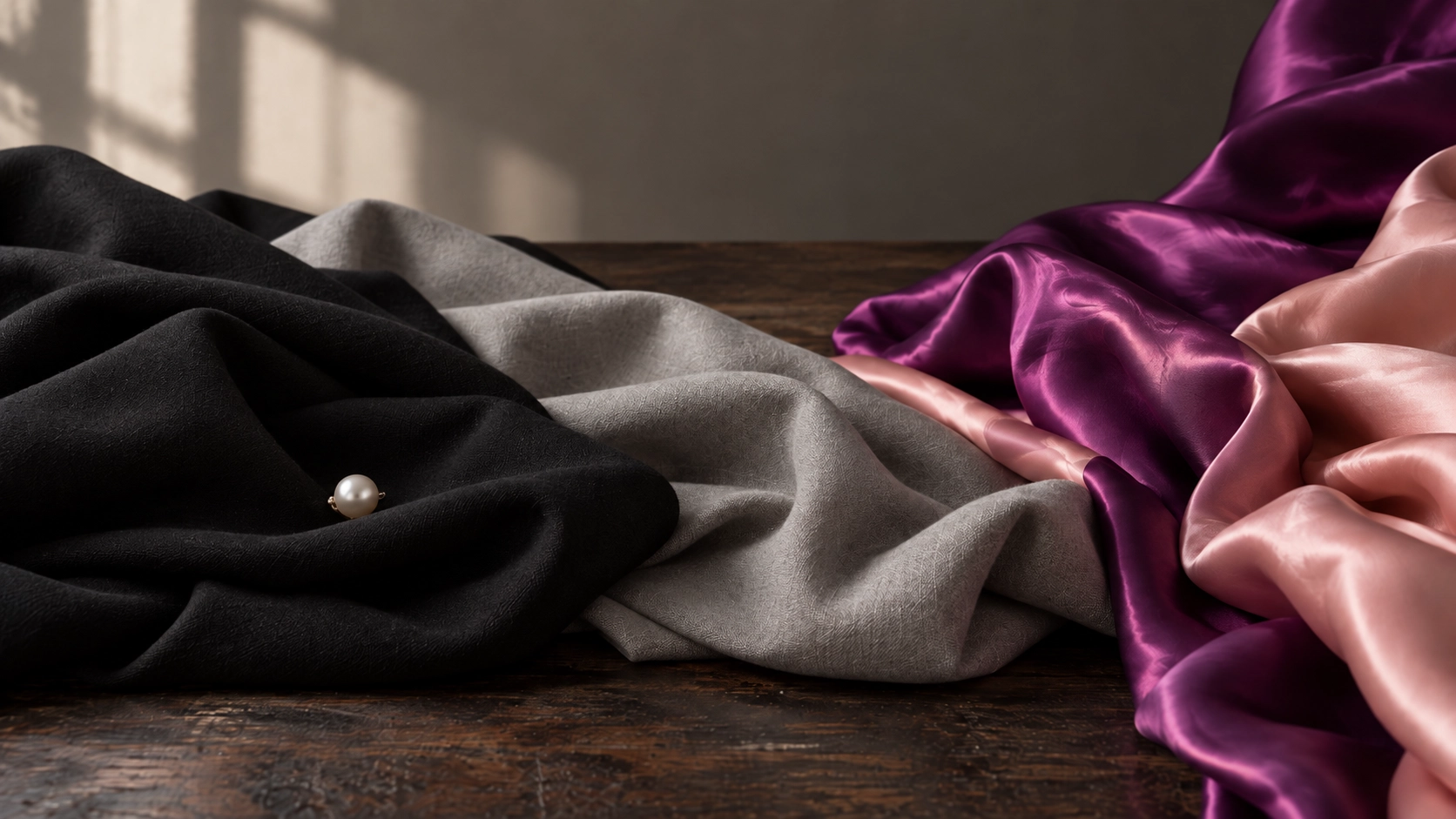
Jane Eyre’s Clothes: Plainness, Style and Self-Possession
Jane Eyre’s plain clothes are not an absence of style. From Lowood brown to Rochester’s silks, her wardrobe becomes a way of deciding who gets to define her.
-
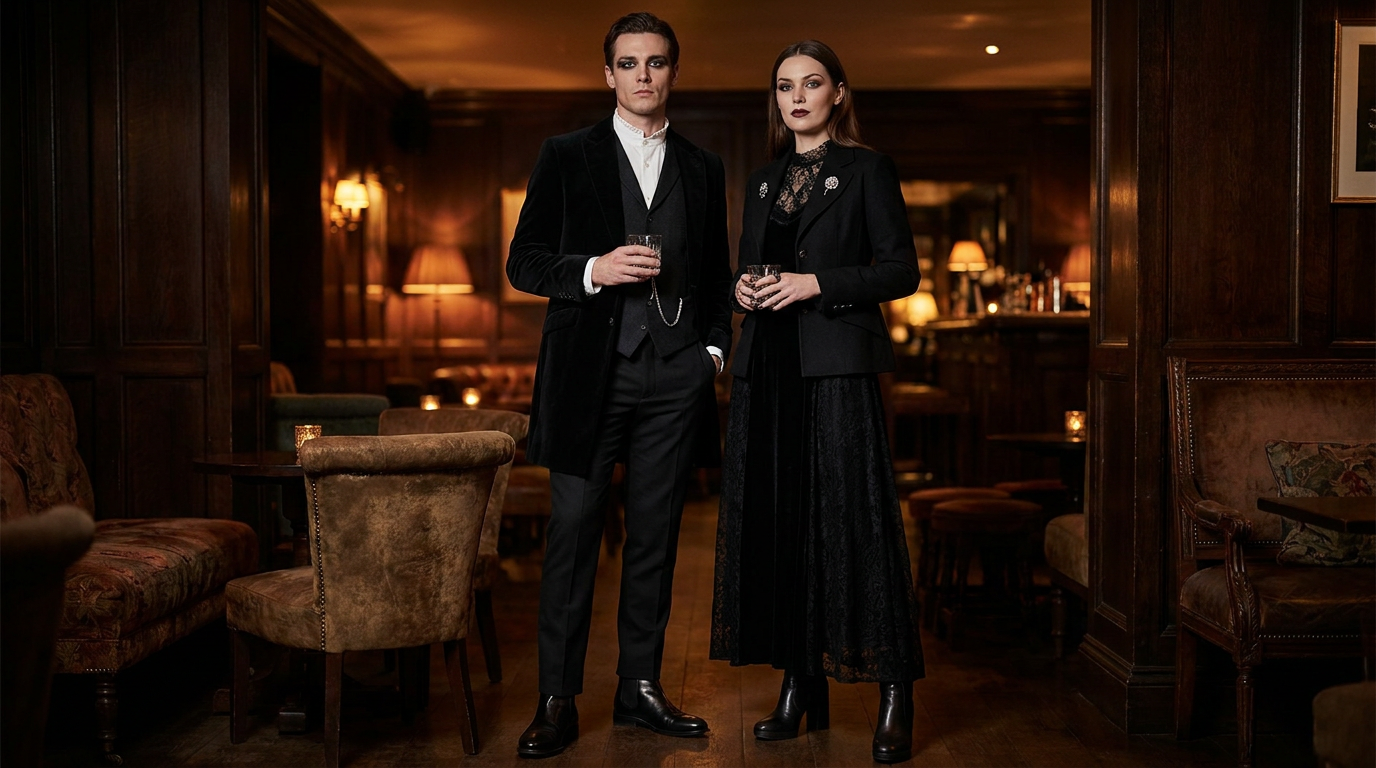
Build the Mood: Halloween Dressing from Real Clothes
A vampire, witch, mourning silhouette or gothic butler becomes much easier to dress once you stop searching for the whole character. Here’s how to find the tailoring, shirts, dresses, textures, accessories, shoes and makeup carrying the mood.
-
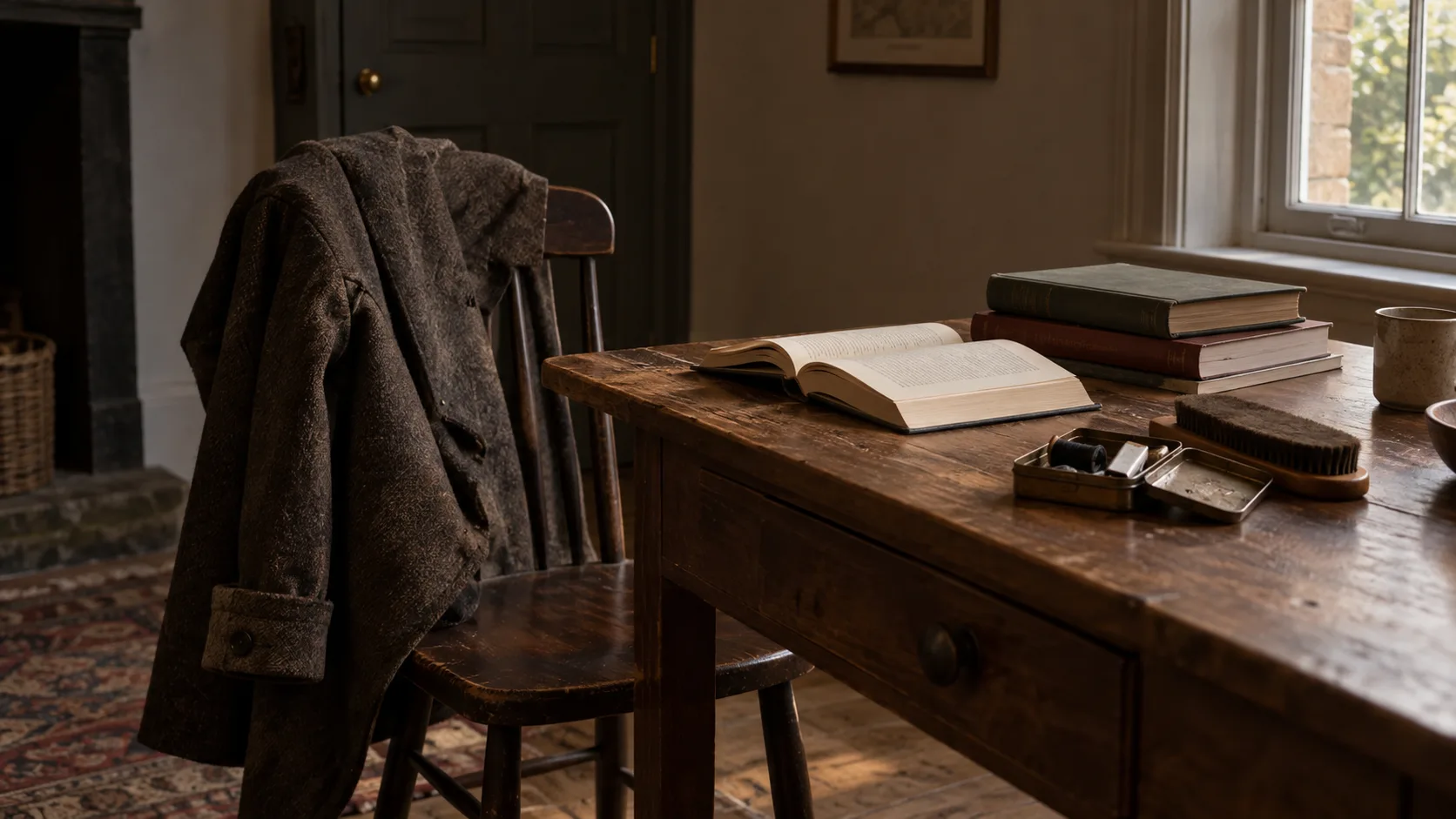
What Your Wardrobe Wants You to Read Next
If you tell me what you would do with a damaged coat, whether you would learn a dress code or quietly bend it, and which outfit you would rather leave the house in, I can probably recommend you a book. Clothes do much more interesting work in fiction than merely telling us what somebody looks…
-
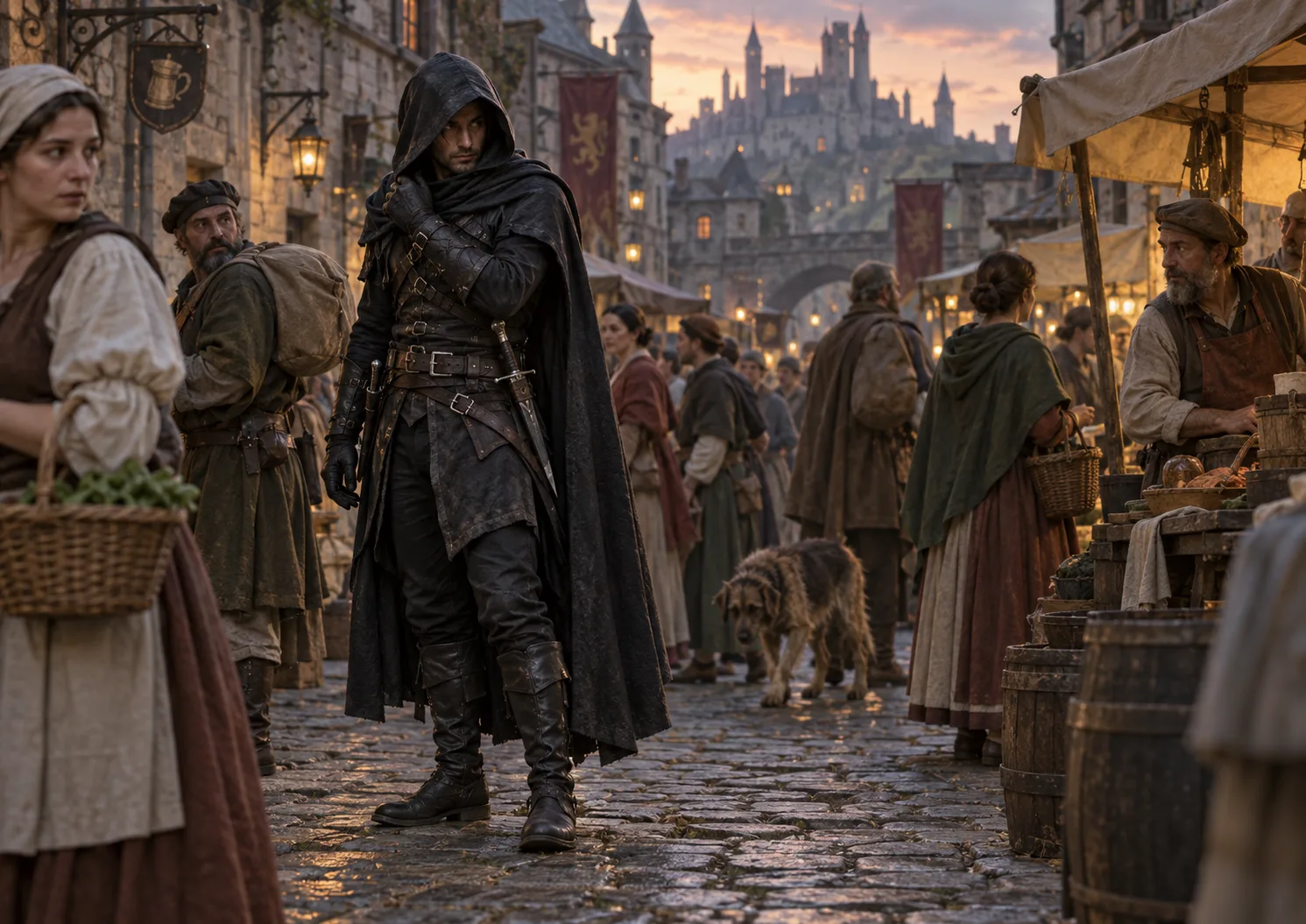
The Problem With Dressing Like a Rogue Is That Everyone Can Tell You’re a Rogue
Fantasy rogues are meant to be difficult to notice, yet we dress them in one of fiction’s most recognisable uniforms. From D&D’s original thief to gentleman pickpockets, shinobi and military camouflage, here’s how black leather became rogue shorthand — and what makes more sense instead.
-
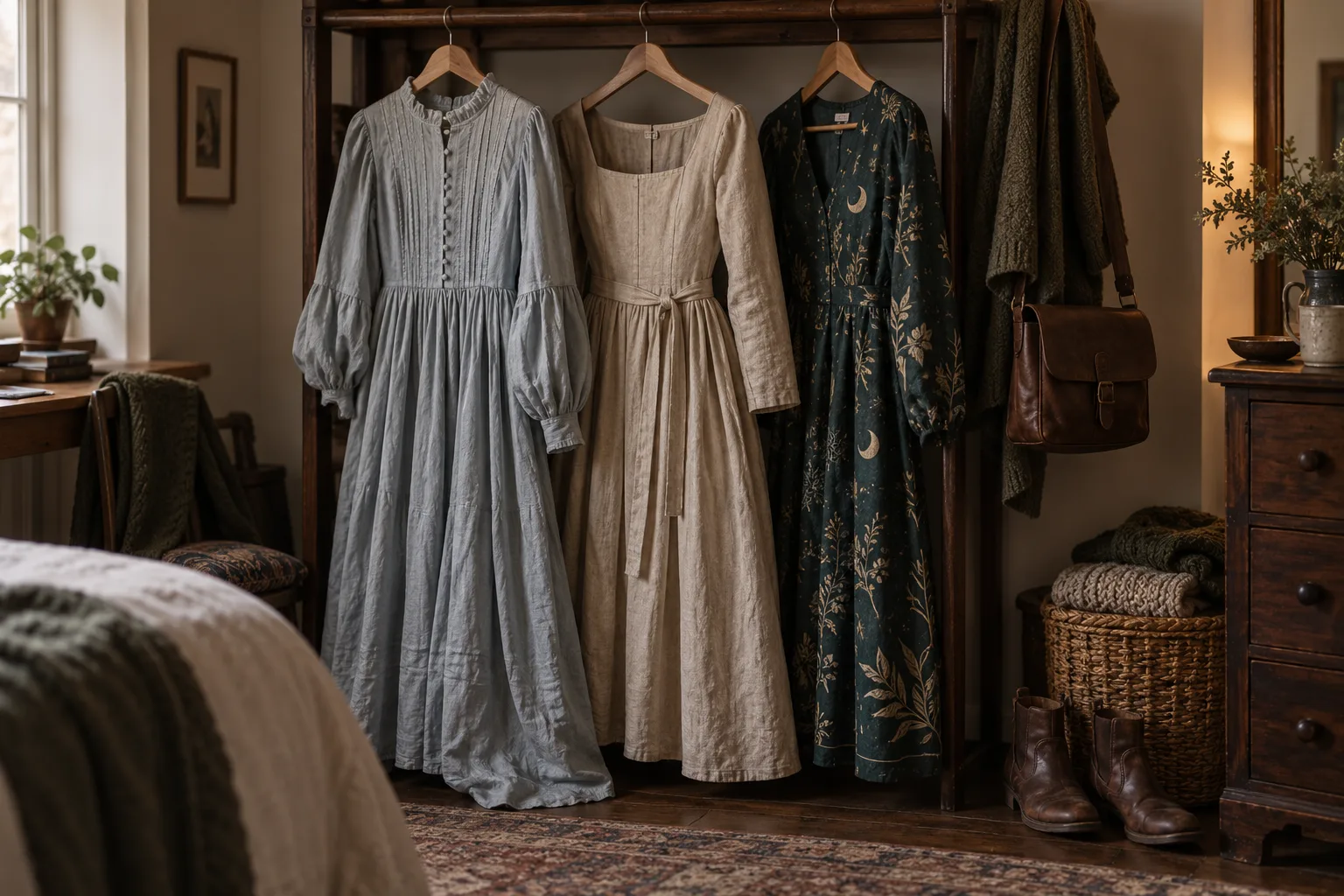
8 Fantasy-Inspired Clothing Brands That Pass the Tuesday Test (2026)
Eight fantasy-inspired clothing brands, from quiet historybounding to printed witchy dungarees, checked for everyday wearability, buying practicality and what customers actually say.
-
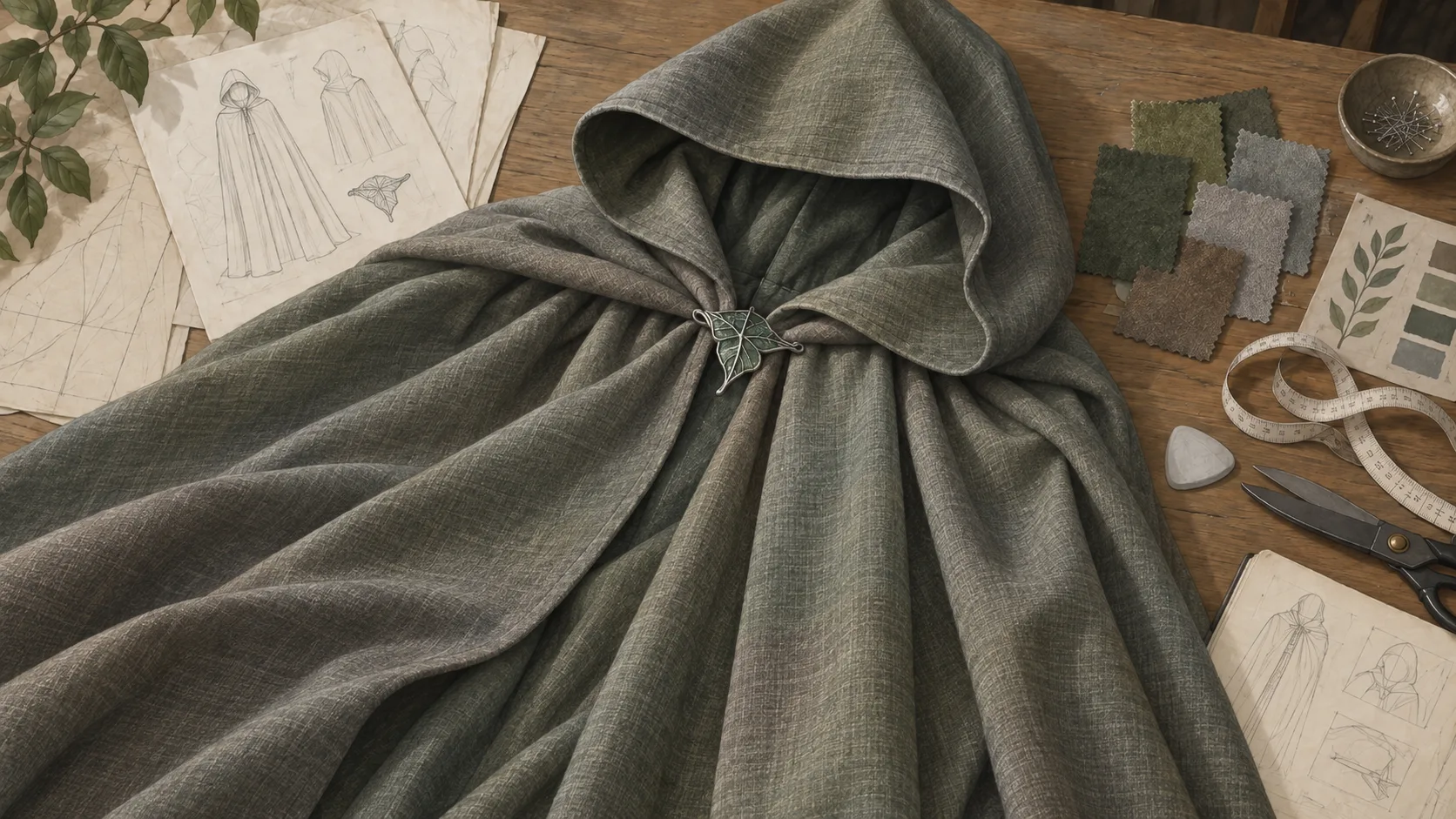
What Would Tolkien’s Lothlórien Cloaks Actually Be Made Of?
Tolkien gives the Lothlórien cloaks a surprisingly exact brief: light, warm, colour-changing and difficult to see. I treated it as a real textile problem to find out how much a good maker could actually reproduce.
-
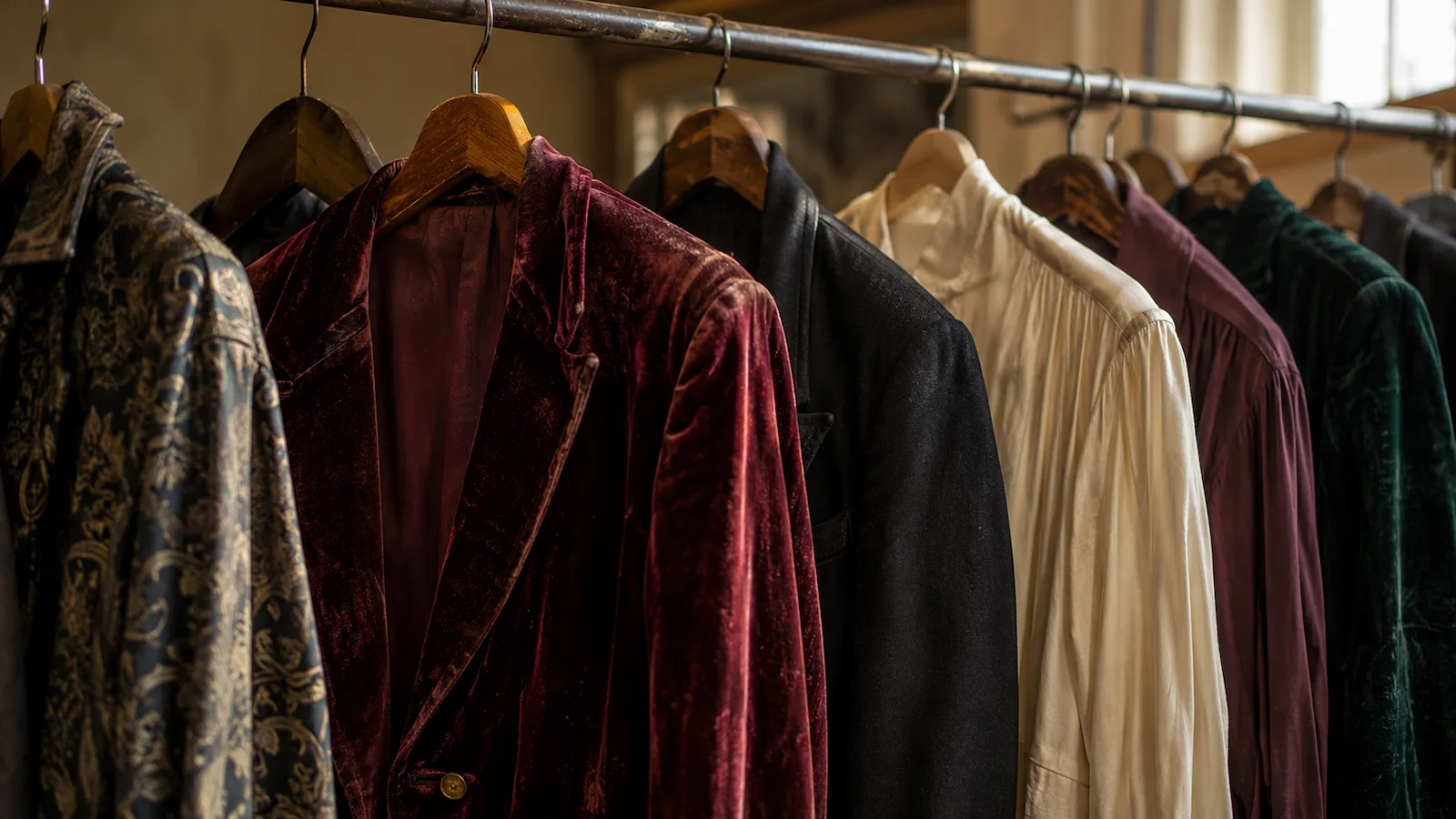
What Would a Fantasy Bard Actually Wear in Real Life?
Fantasy bard style does not need to mean poet shirts and costume jewellery. Here’s how to translate the colour, theatricality and character of the archetype into clothes that still work in real life.
-
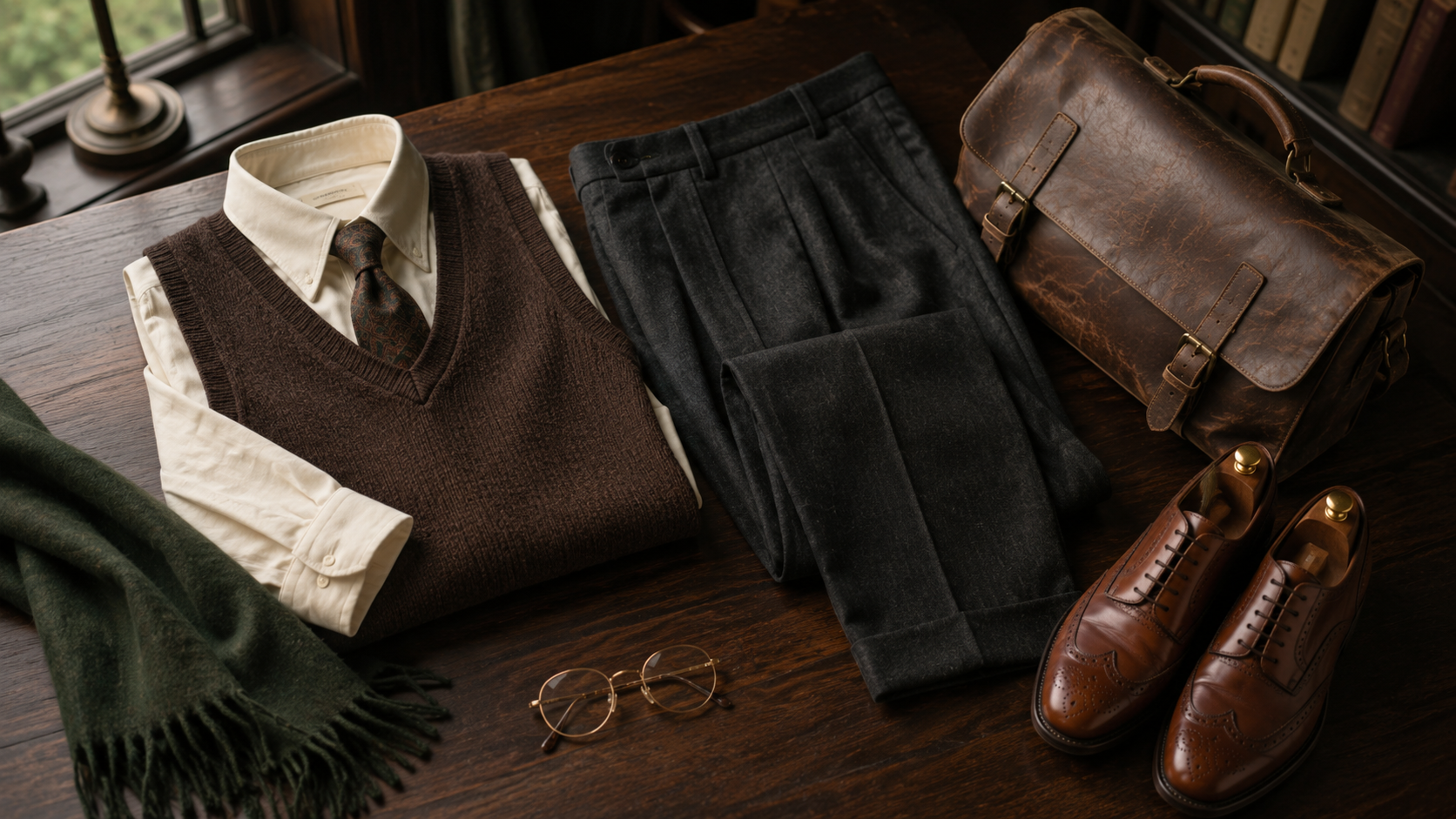
Dark Academia Outfits You Can Actually Wear in Real Life
Practical dark academia outfit ideas for ordinary life, using sweater vests, wool trousers, ties, leather shoes and second-hand finds without drifting into costume.
-
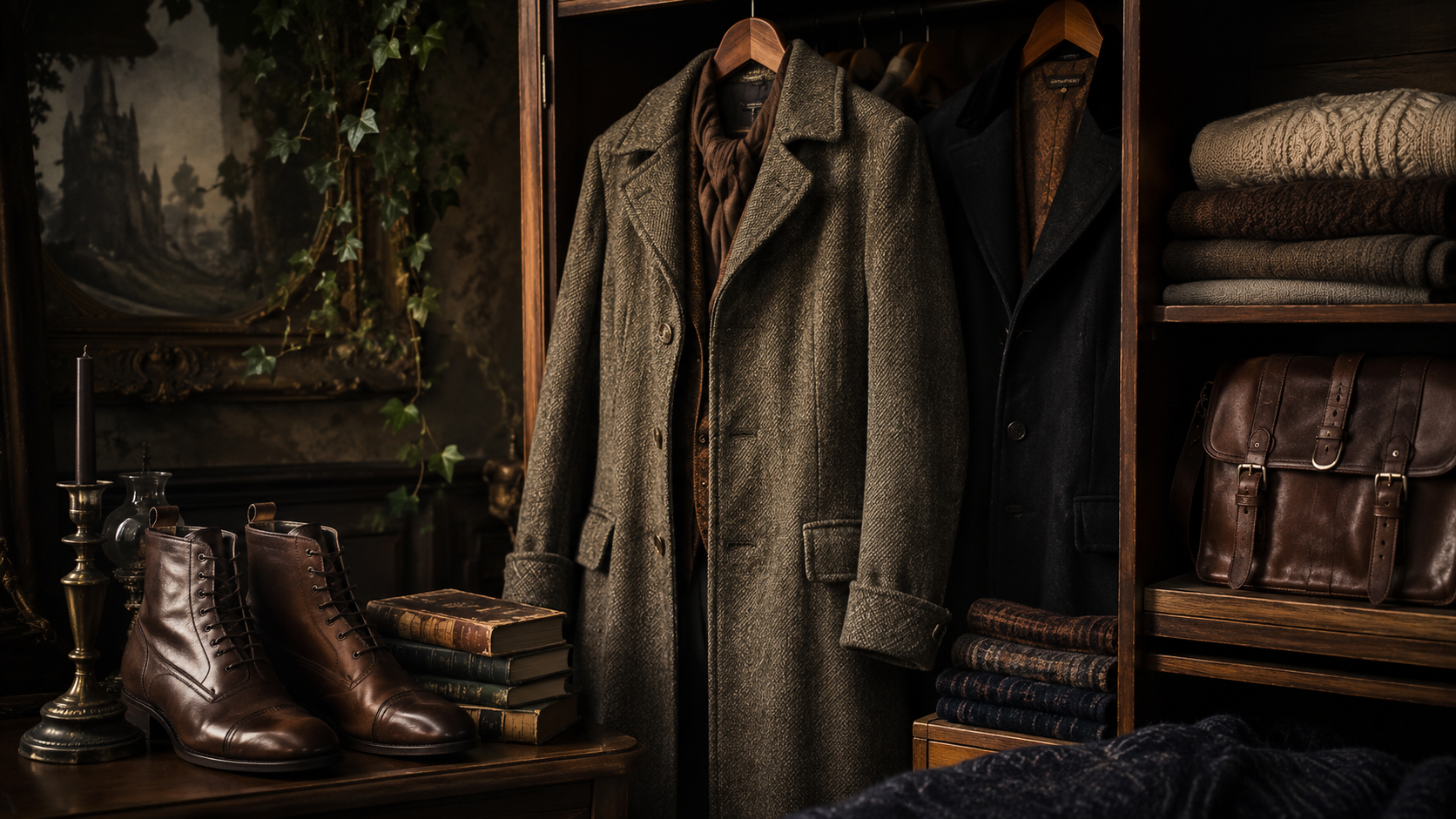
How to Build a Storybook Wardrobe Without Looking Like You’re in Costume
A practical guide to building a vintage, bookish and fantasy-inspired wardrobe that feels characterful, wearable and completely your own.