Care & Keeping
Clothing care, repair and storage for clothes worth keeping. Care & Keeping is where I work out what a garment actually needs — washing, brushing, mending, better storage or occasionally the good sense to leave it alone.
-
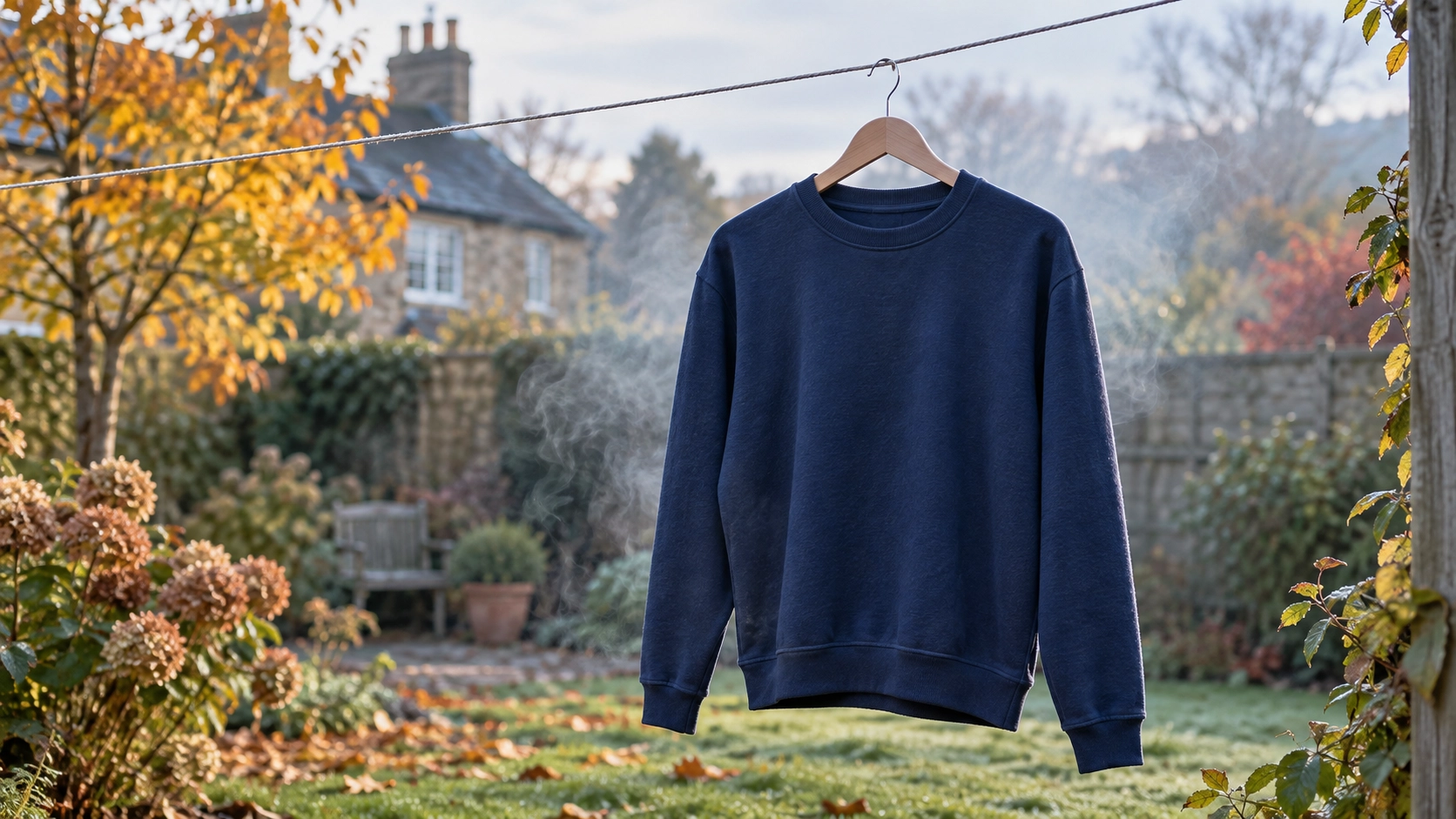
Why Bonfire Smoke Sticks to Clothes — and How to Get It Out
Bonfire smoke can linger in clothes long after the fire is out. Here is what the smell actually is, why fabric holds it, and the evidence-backed way to remove it.
-
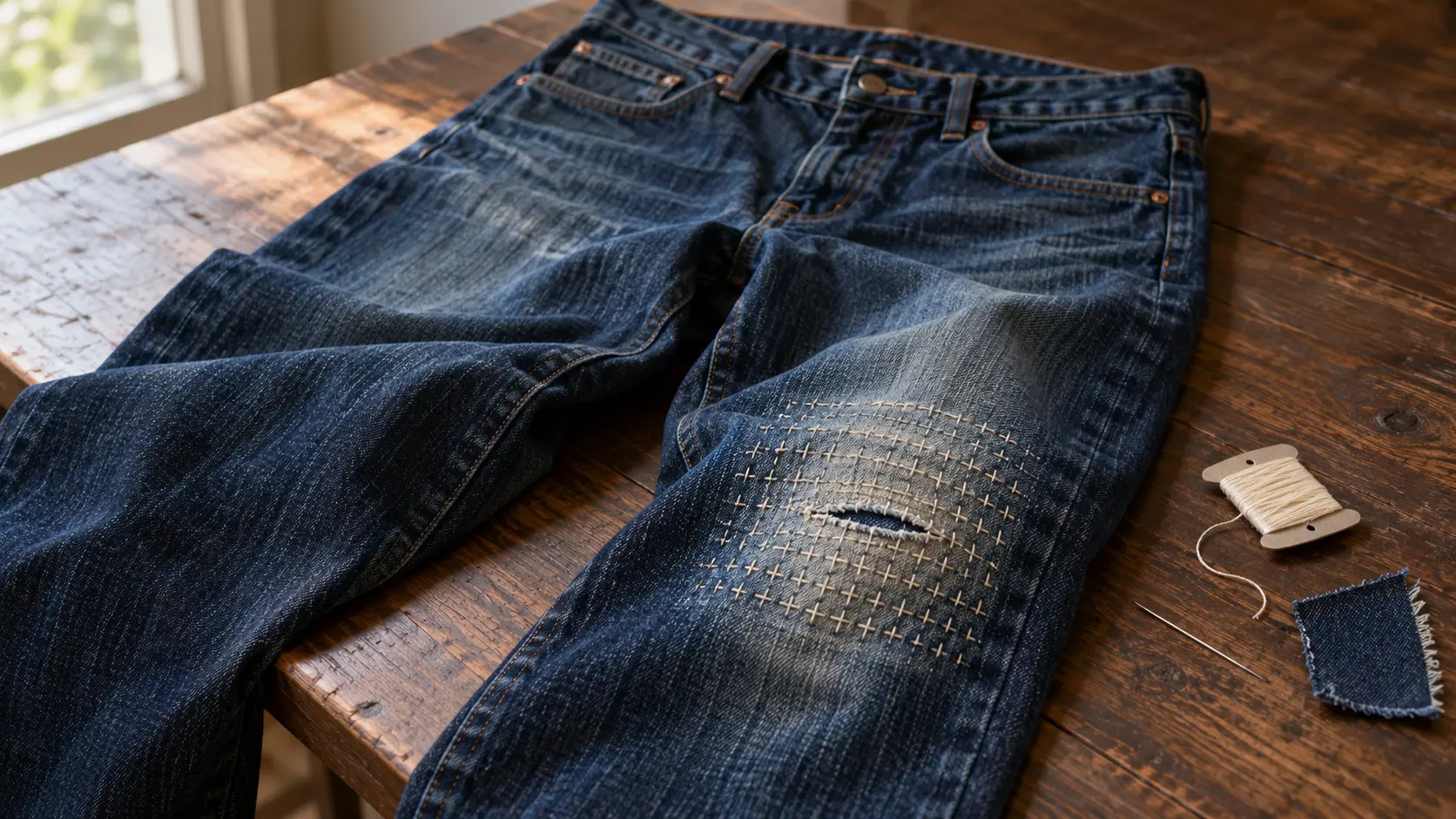
The Repair Is Supposed to Show: Visible Mending, Sashiko and Boro
Visible mending can keep damaged clothes wearable without pretending the damage never happened. I repair a torn pair of jeans, look at sashiko and boro properly, and consider why a repair does not need to disappear.
-
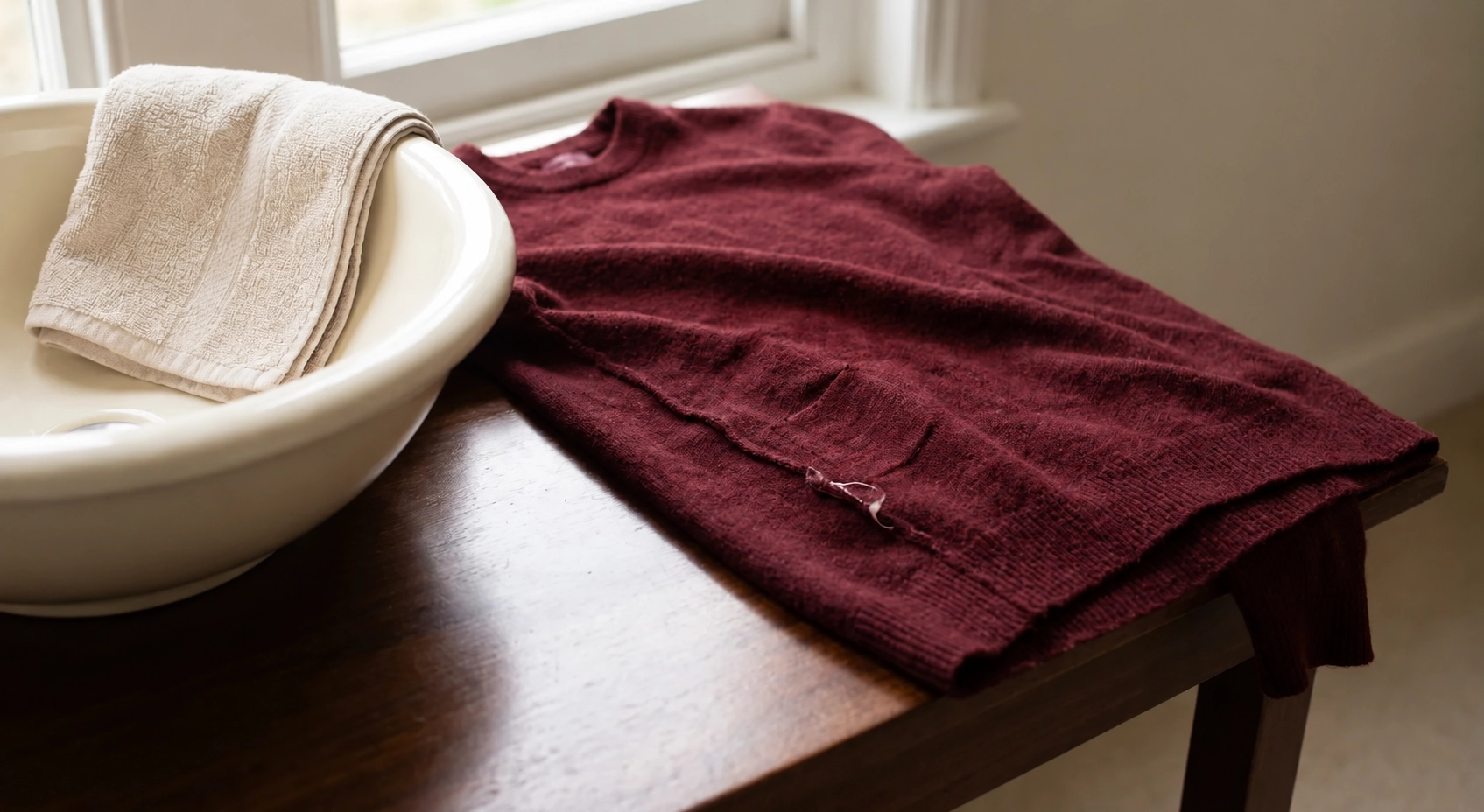
Someone Cut the Label Out: Washing a Wool Jumper Without Guessing
A missing care label removes the certainty from washing wool. Here’s how to work from the lowest-risk option upwards, when cautious hand washing is reasonable and when to leave the jumper alone.
-
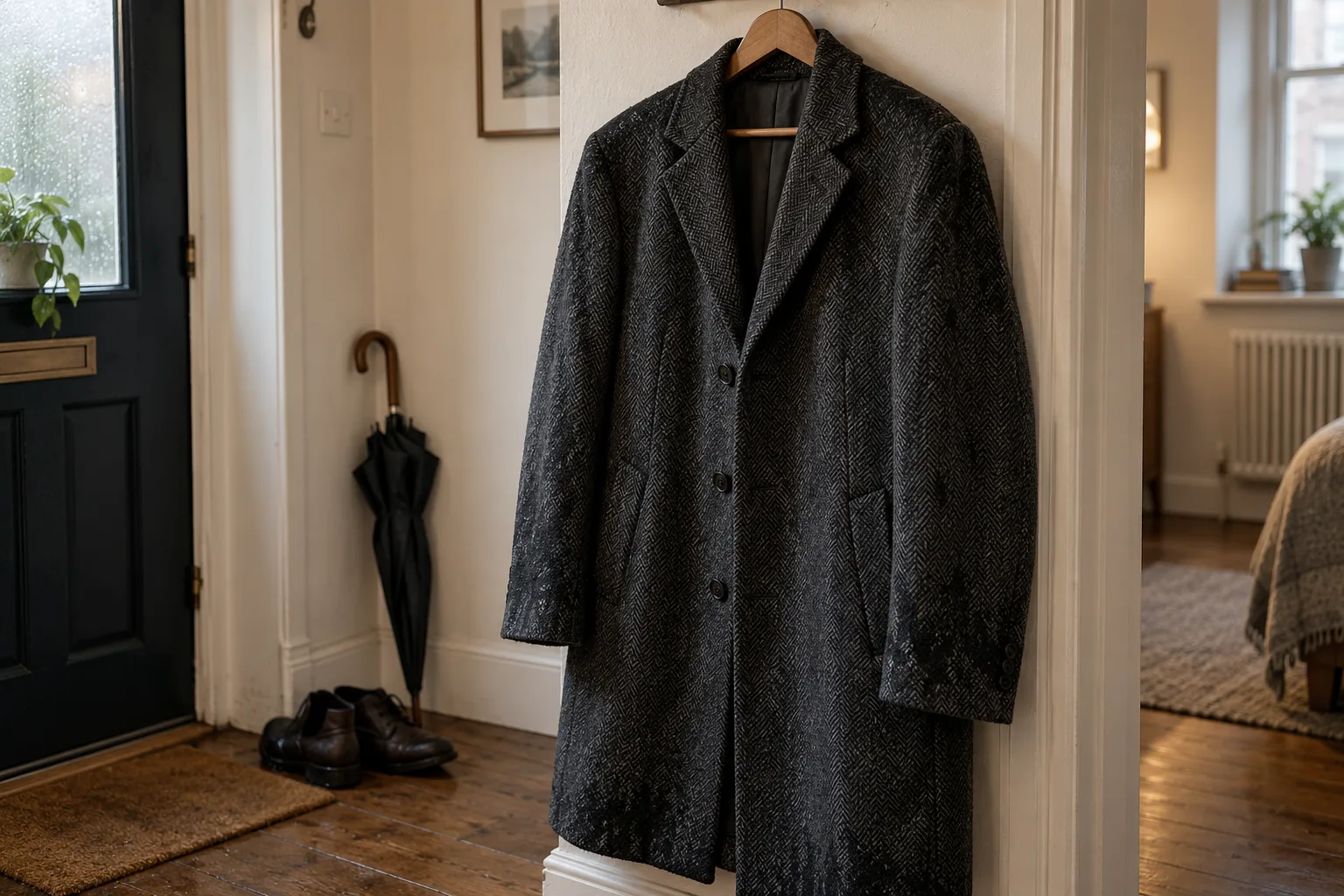
What to Do When a Wool Coat Gets Wet
A wool coat caught in rain usually needs careful drying before it needs cleaning. Here’s what to do when you get home, what to leave alone while it dries and when I would hand the coat to a professional.
-
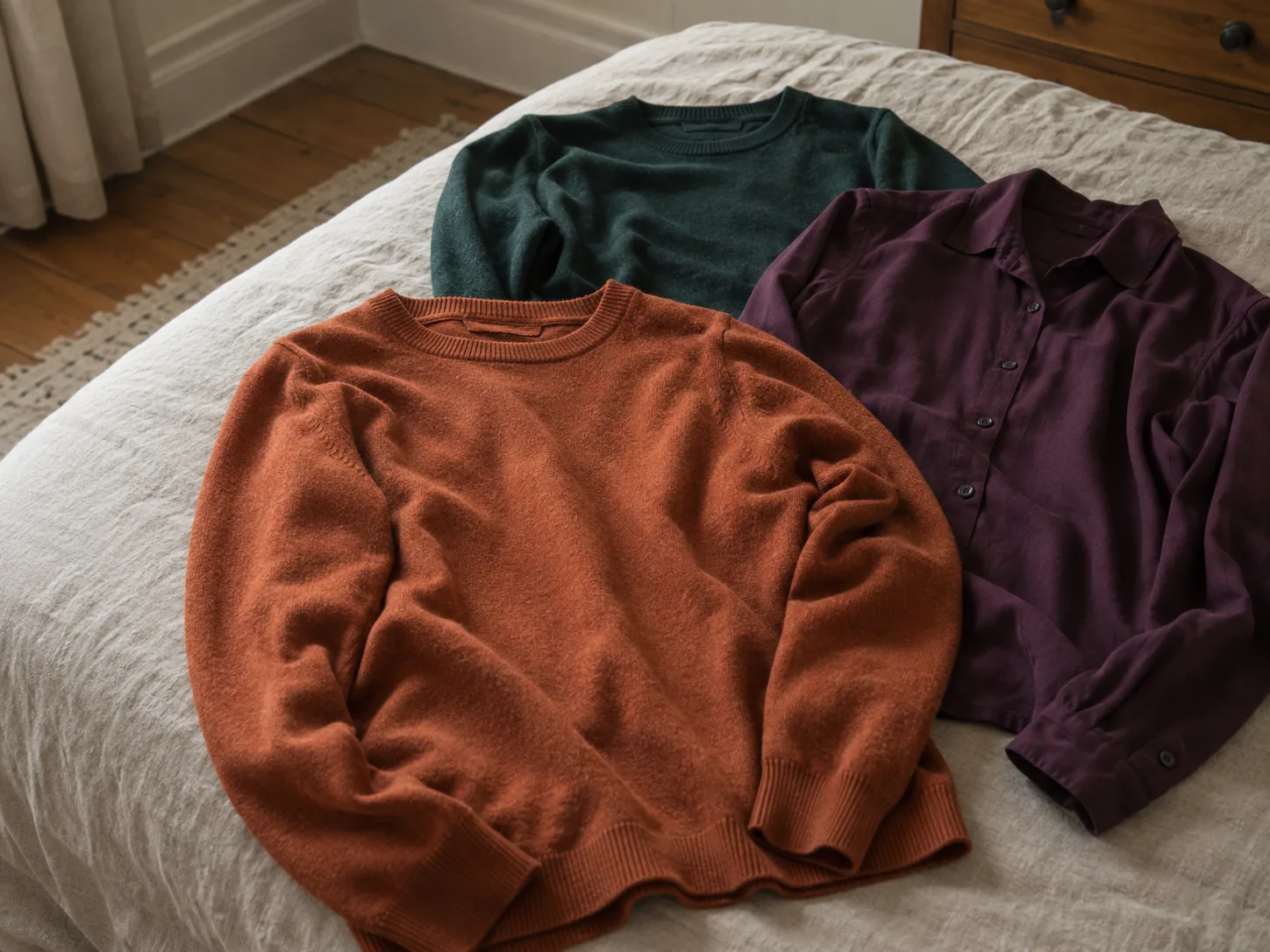
What Pilling Actually Tells You About a Jumper
A £8 cotton jumper, a £110 cashmere one and a stubbornly bobbling shirt make a poor quality-ranking system. Here’s what pilling can actually tell you — and what it can’t.
-
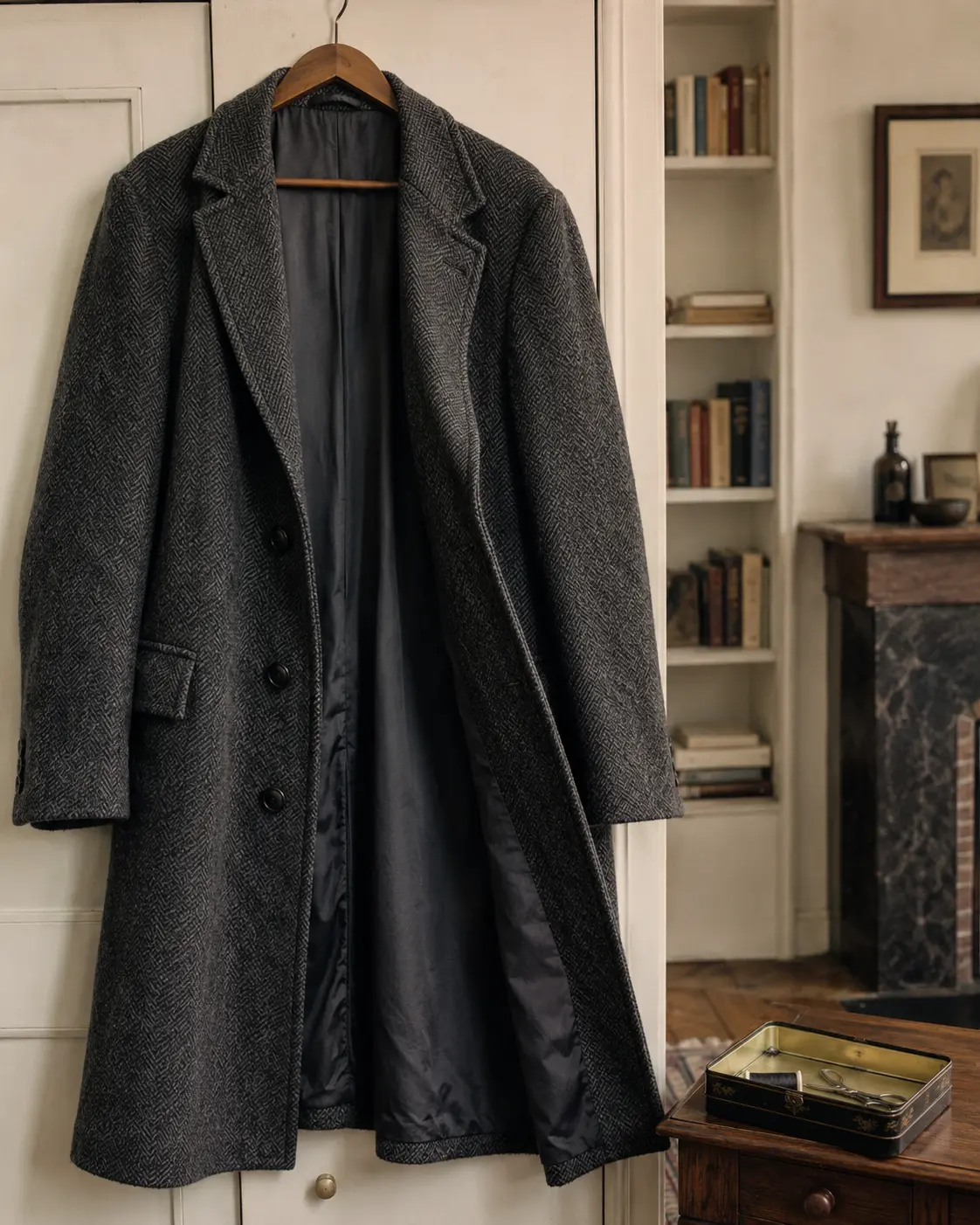
When Is a Split Coat Lining Actually Worth Repairing?
A practical guide to repairing an open seam in a coat lining, including how to identify failed stitching, when the fabric is too damaged to stitch directly, and how to close the seam neatly by hand.
-
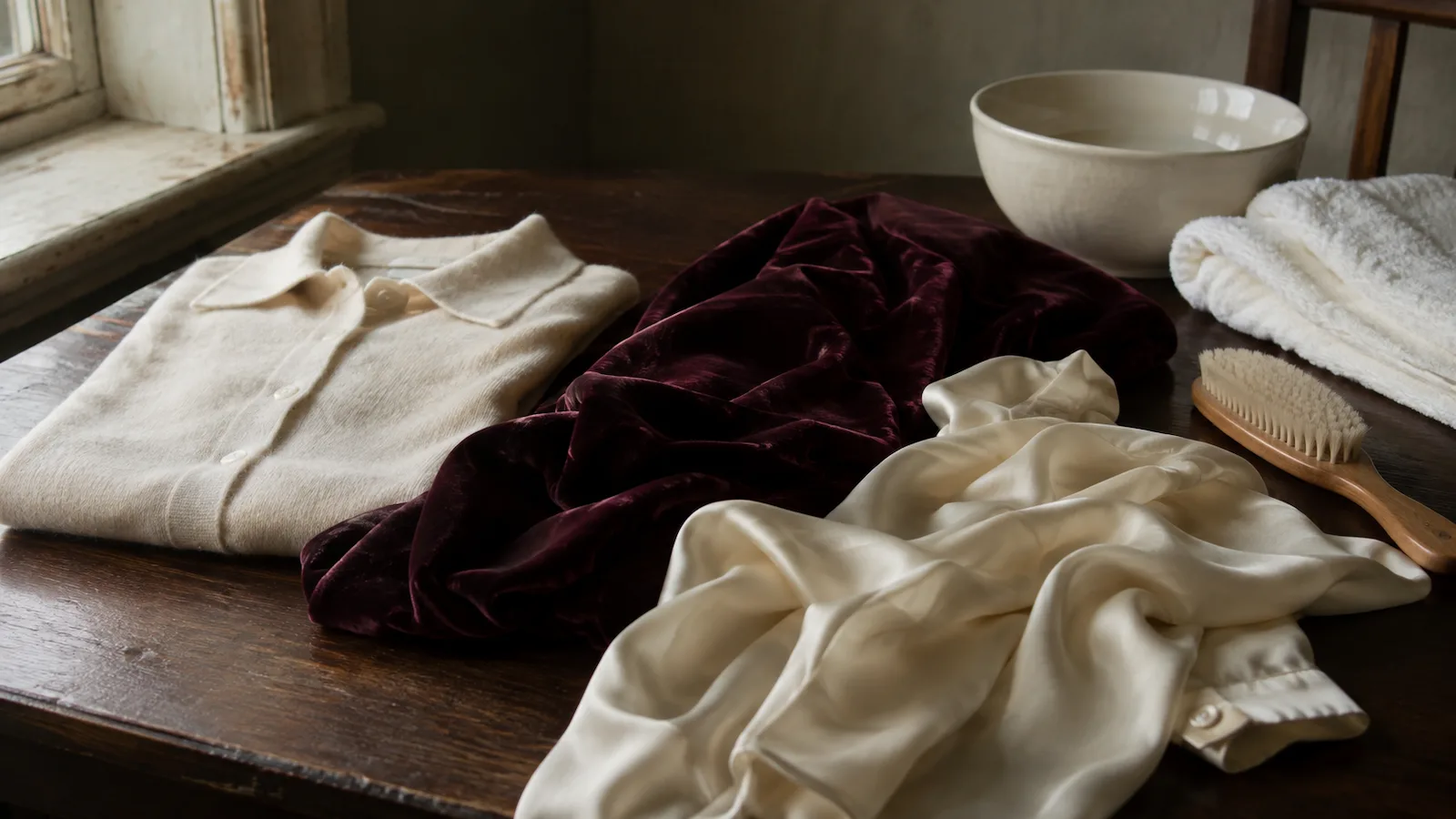
How to Look After Velvet, Silk and Other Fabrics That Ruin Easily.
Velvet, silk and cashmere are all delicate for different reasons. Here is how to recognise what can go wrong, deal with stains cautiously and know when to stop.
-
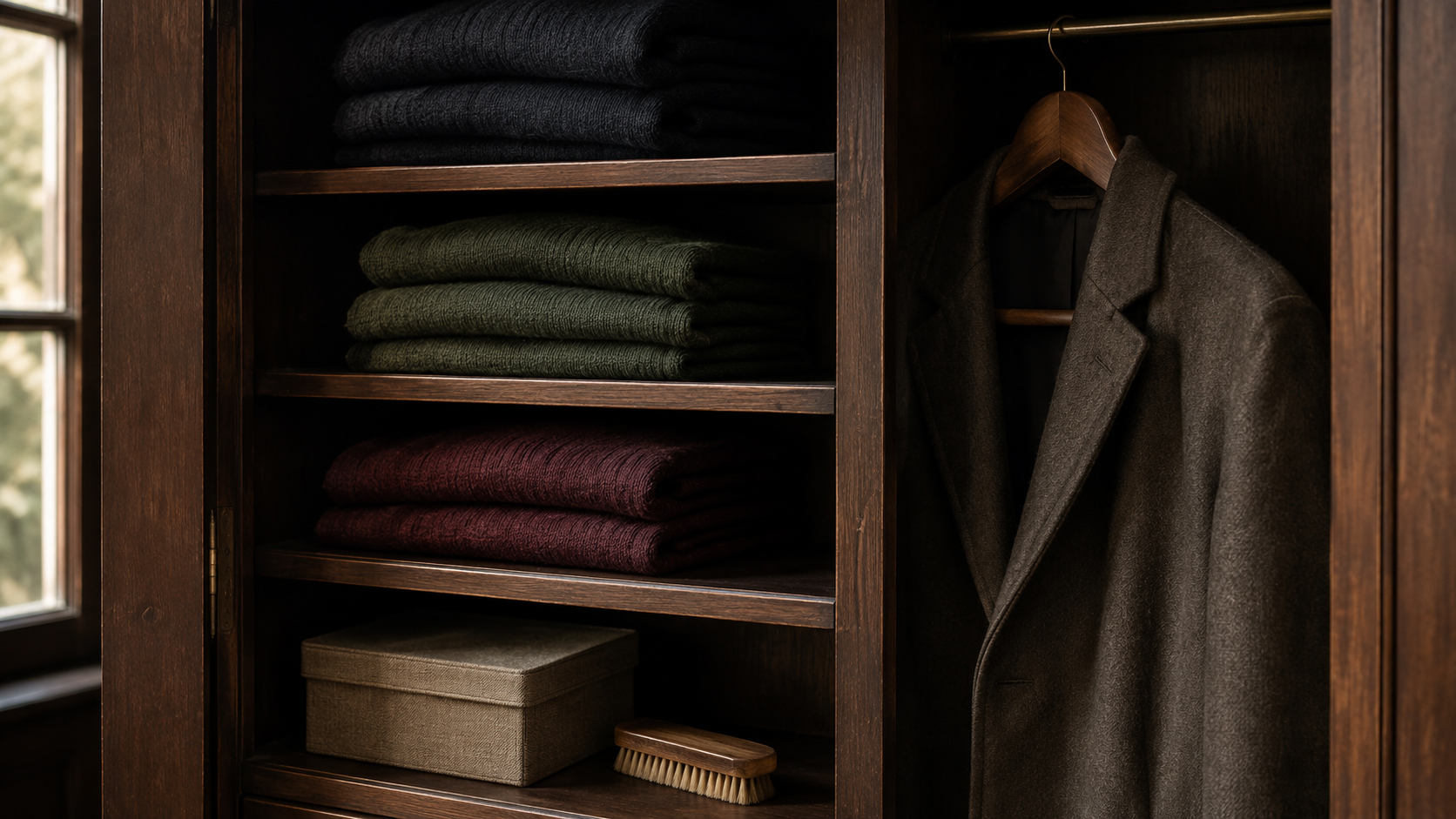
How to Store Wool Clothes and Prevent Moth Damage
Wool is easy to store badly. Here’s how I clean, inspect and put away coats, knitwear and other wool clothes so they survive summer storage without feeding moths or losing their shape.
-
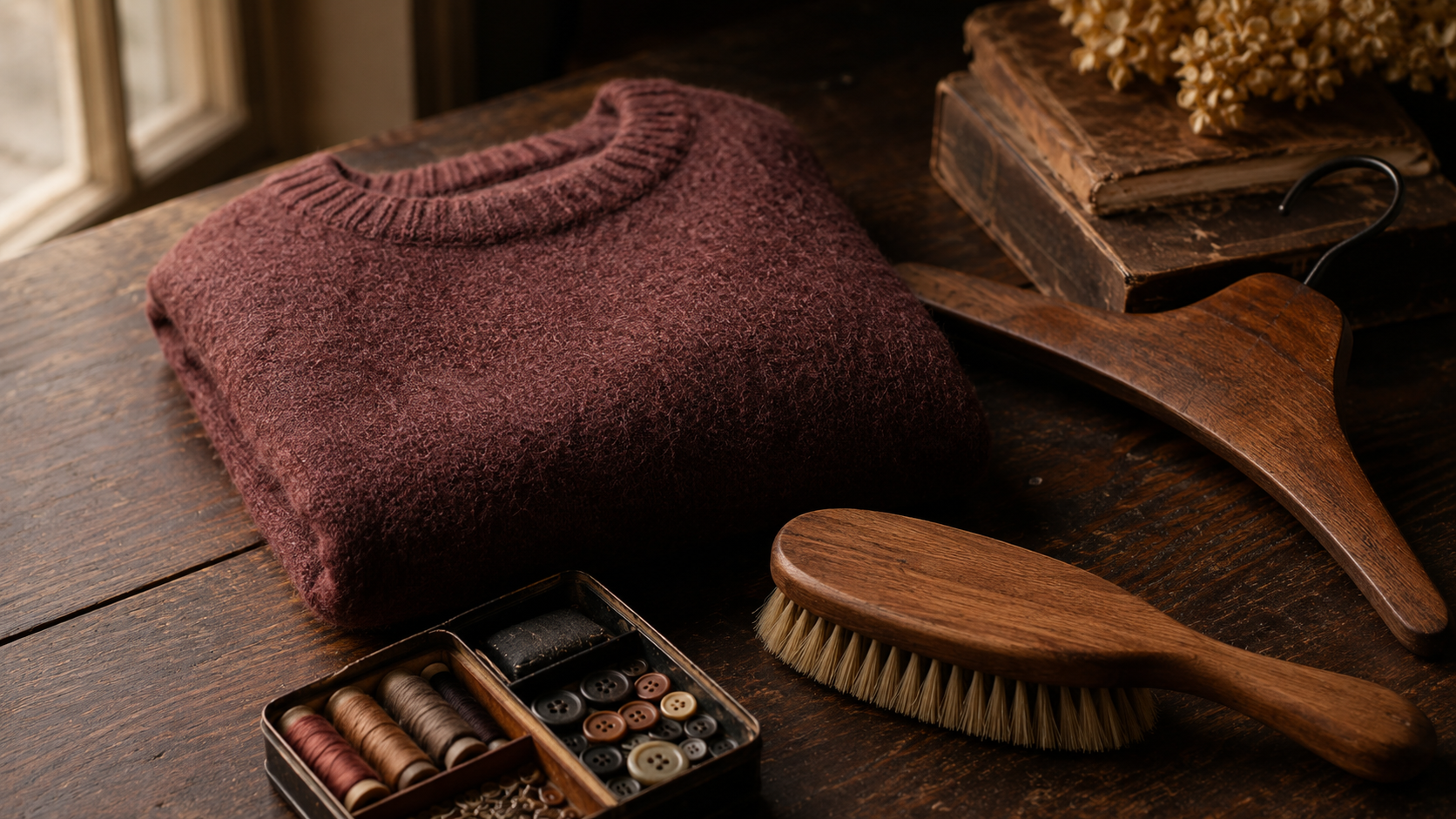
A Beginner’s Guide to Clothing Care for a Storybook Wardrobe
Learn how to wash, air, store and repair vintage and second-hand clothes without overcomplicating the process. A practical beginner’s guide to care labels, stains, knitwear, tailoring and knowing when to call a specialist.