I need a bedtime audiobook with a very particular level of quality.
It has to be good enough that I actually want to put it on, familiar enough that losing consciousness halfway through a chapter is not a disaster, and preferably not so compelling that I suddenly decide at half past eleven that listening to it in seven-minute instalments is an insult to literature.
Audiobooks send me to sleep almost embarrassingly quickly. I can set a thirty-minute timer and be unconscious within five or ten. This became particularly irritating with Spotify because Spotify remains professionally committed to counting my listening allowance after I have ceased to be a listener. The following night I then have to rewind through twenty minutes of perfectly good narration trying to locate the last sentence at which I was technically conscious.
I had already revisited the Bartimaeus books and the Inheritance Cycle this way, and I am currently working through Skulduggery Pleasant again. So I started trying to remember the fantasy books I had read as a child whose broad shape I still knew.
The problem was that I often did not remember the book.
I remembered an ice dragon. I remembered somebody moving the internal parts of a lock with her mind. I remembered a powerful female being and a brother and sister, then supplied myself with the wrong brother and sister entirely. I remembered wolves and an ending that upset me. I remembered an illustrated fantasy society in which the women became enormous and violent.
Names, plots and titles had gone missing while these oddly specific pieces remained. Pulling at them started to reconstruct a shelf I had not thought about properly in years.
The ice dragon was not actually an ice dragon
The smallest clue produced one of the largest recoveries.
Ice dragon. That was it.
It eventually led me back to Chris d’Lacey’s Icefire, the second book in The Last Dragon Chronicles. Once I had the title, other things began turning up: the Pennykettles, clay dragons, hidden dragons and a mythology that became considerably larger than the fairly domestic beginning I remembered.
There is a slight problem with this triumph of memory.
I cannot find the ice dragon.
The Pennykettles are surrounded by hundreds of clay pottery dragons. David is researching whether dragons existed, with an Arctic research trip as the prize, and the story builds connections between dragons, the Arctic and the mysterious icefire. There are plenty of ingredients from which a child could later remember an ice dragon. There just does not seem to be the neat literal creature my memory supplied.
So I had retained Icefire, dragons and the Arctic, then apparently compressed all three into one extremely efficient animal.
I remembered enough to find the book and not enough to describe it correctly. Memory had done some editing.
That makes the clue better, really. If I had remembered “Chris d’Lacey, Icefire, second book, the one where David researches dragons”, there would be no article. I would simply have remembered a title like a functional adult.
Instead I had an ice dragon that seems to have been assembled somewhere behind my eyes twenty years later.
I had a lot of books available to forget
From roughly 2001 until 2009, before I turned fifteen, I read constantly.
I read under the desk at school. I sometimes skipped rugby or hockey matches and hid in the library instead, which proved to be an excellent arrangement because apparently no teacher sees a child voluntarily spending extra time in a library and thinks, This is clearly truancy. If I had hidden behind the bins there would presumably have been a search party. Put a book in front of me and the whole thing acquired educational respectability.
A lot of the books I was reading were current series rather than old children’s classics inherited complete. I caught up with what existed and then had to wait for authors to write the rest. That is one reason several series simply stop in my memory after three or four books: sometimes I lost interest, but sometimes there was no next book yet. Later, I deliberately went back for endings. I sought out Inheritance when I was older, and at about nineteen I returned to Michael Grant’s Gone series for Light because apparently unfinished fictional business can survive adolescence perfectly well.
Of course I read Terry Pratchett and Harry Potter, but nobody forgets those — which is exactly why they’re not in an article about what memory lost.
The stranger omissions are books I once spent hours inside and then reduced to one mechanism, one picture or an emotional bruise.
The lock survived better than Obernewtyn
One of the clearest fragments was this: a girl could open locked doors by using her mind to move the workings inside the lock.
I particularly remembered the tumblers.
I could not remember Obernewtyn.
The girl was Elspeth Gordie, protagonist of Isobelle Carmody’s Obernewtyn. She is a Misfit with mental abilities that have to be hidden under threat of death, and she is sent to the remote mountain compound that gives the book its name. In chapter nineteen of Obernewtyn, Elspeth uses her mental abilities to work her way through several locks, including the Doctor’s particularly difficult one and a locked cupboard.
That is absurdly close to what remained in my head.
I had lost Elspeth’s name, the name of the series and most of the immediate plot, but apparently the internal mechanism of a fictional lock had secured permanent tenancy.
Other parts of my Obernewtyn memory were less disciplined. I associated it with travelling groups and a dry, sandy landscape. That belongs to the series, but not neatly to the first book. Obernewtyn centres on the mountain compound; in Ashling, Elspeth leaves the mountains and eventually travels into the desert region of Sador.
Two memories had been filed together. The lock stayed where it belonged; later geography wandered backwards.
I also remembered the broader sense of gifted outsiders being persecuted by an oppressive authority and finding other people like themselves. That part was sound. The Misfits really are people with forbidden abilities living under a totalitarian order. What I had done was keep the social shape of the series while moving some of its scenery about.
For something I had supposedly forgotten, my brain had been oddly conscientious about the locksmithing.
The enormous women were Termagant Trogs
The Edge Chronicles came back differently because I remembered the pictures almost as strongly as the books.
Chris Riddell’s illustrations were dense enough to inspect rather than merely look at. Skyships, creatures, buildings, clothes and bits of invented machinery had the sort of detail that allowed you to spend time on a page after the prose had moved on.
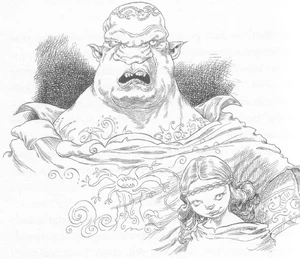
The fragment I retained was an underground society in which the females changed dramatically when they reached adulthood. In my memory they became huge, frightening and violent.
I was expecting that one to have become hopelessly exaggerated.
It had not.
The official Edge Chronicles site names them as the Termagant Trogs: underground cave-dwellers ruled by females who become fearsome warriors at thirteen after their Blooding, when they drink the sap of a bloodoak tree.
That is not my adult brain tidying up something vague. It is essentially the thing I remembered.
What disappeared was the terminology. What stayed was the social rule.
That seems to happen repeatedly with these books. Proper nouns are apparently expendable. A strange mechanism or cultural detail is not. I could lose an entire fictional country and retain the local administrative procedure for turning an adolescent cave-dweller into a terrifying adult.
I found the right brother and sister in the wrong books
One fragment seemed to contain two things: a powerful female being I remembered as a goddess, and a brother and sister.
I thought I had solved it with William Nicholson’s Wind on Fire trilogy. Kestrel and Bowman Hath are twins, and once I started checking the books, other things came back as well: wolves, a five-year gap between the first two books, the Morah and an ending that had upset me.
It was an excellent answer, and it was wrong.
The name that eventually came back was Lady Ardina, from Alison Croggon’s The Gift — published in the United States as The Naming. Ardina is not a goddess but an Elidhu, one of the ancient beings in Pellinor’s world. And Pellinor contains the brother and sister I had actually been reaching for: Maerad and Hem. The later books make their connection central enough that The Singing explicitly turns on whether the two siblings can reunite and release the music of the Elidhu together.
I had remembered part of one series and completed it with another series that I had also read.
The particularly treacherous bit was that Wind on Fire kept rewarding the mistake. Kestrel and Bowman really were siblings. The time jump really was there. Kestrel really does die at the end of Firesong.
. Every correct detail made the original identification feel safer.
I had solved the wrong memory correctly.
The recovered shelf has a fairly obvious personality
Once enough titles came back, the pattern was difficult to miss.
I liked supernatural powers, outsiders, persecuted groups, secret societies, authoritarian institutions, gods, rebellion, strange cultures, magical rules, war, sacrifice and worlds whose mythology kept getting larger the longer I stayed in them. I also liked long series. Once I had decided a fictional world was worth entering, I saw very little reason to leave merely because one plot had finished.
That explains the Doctor Who and Buffy tie-in novels as neatly as it explains Pendragon, Obernewtyn or The Inheritance Cycle. I did not always need another new world. Sometimes I wanted another door into one I already knew.
Apparently I was not especially interested in fantasy where everybody had a pleasant woodland problem.
I had remembered The Deptford Mice as the talking-animal series I could not get into. Then I saw the cover of The Dark Portal while rebuilding this shelf and immediately realised I had blamed the wrong mice. I liked The Deptford Mice. It was Redwall I could not get into.
Which is rather an efficient demonstration of the problem.
I did not need the darkness to be solemn. Bartimaeus, Skulduggery Pleasant, Buffy and Robert Rankin all gave me worlds in which horrible things and jokes were permitted to occupy the same room.
I read several Rankin novels young enough that The Hollow Chocolate Bunnies of the Apocalypse introduced me to references to a hangover before I actually knew what a hangover was. I have no idea why my mum let me borrow some of these books.
That is one of the stranger pleasures of reading slightly above your age. Entire layers of drinking, sex, satire and adult stupidity can pass directly over your head and you carry on without feeling that anything is missing. Nobody has told you there is another level to misunderstand.
When I moved into Sookie Stackhouse, Cassandra Palmer and House of Night, it looked superficially as though my taste had changed into teenage paranormal fiction. Looking back at the shelf, the move was hardly revolutionary. Hidden supernatural societies, dangerous institutions, magical politics, powers, outsiders and lore that required increasingly elaborate mental filing systems were already well established.
I write fantasy myself now. I am wary of drawing a straight line backwards and announcing that these books made me write what I write; influence is not a receipt, and I have no reason to pretend I can separate twenty years of reading that neatly.
The smaller observation is more convincing. A surprising number of things I still find interesting were already present in the books I chose when I was ten.
Back to the Audiobook
None of this was what I set out to discover.
I wanted an audiobook I already knew well enough to lose consciousness during.
Instead I recovered a shelf by working backwards from a lock, a group of terrifying women, the right memories attached to the wrong siblings, somebody’s death and a dragon that apparently never existed.
I now have rather more options.
Seven minutes should do it.
Does any of this look familiar?
Swipe through the shelf. I’ve picked one book from each series that turned up while I was rebuilding it, including one I still can’t prove I read.
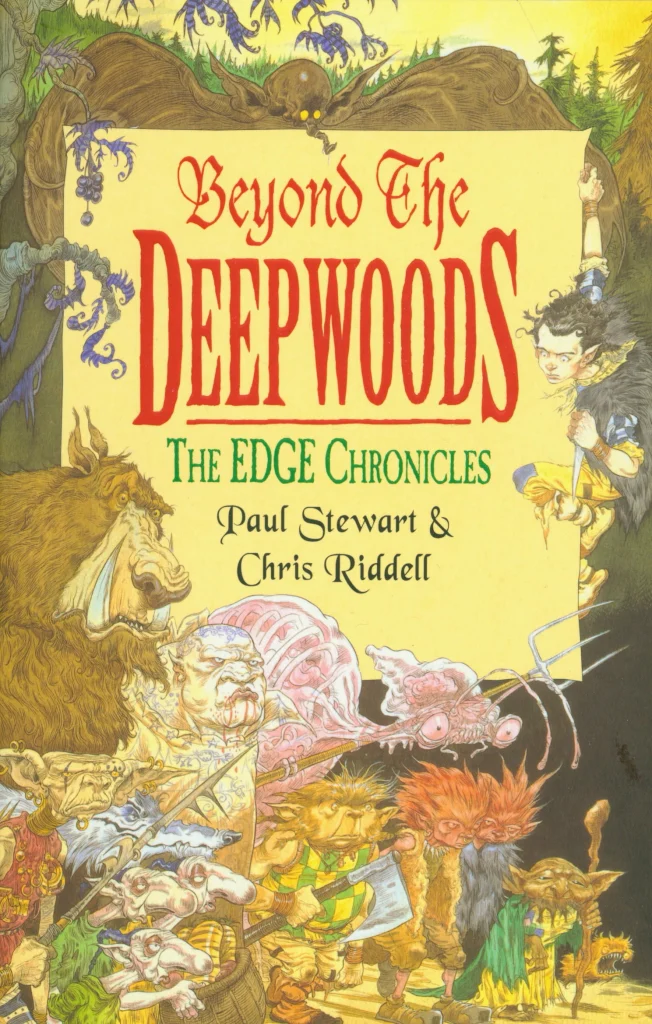
Beyond the Deepwoods
Paul Stewart & Chris Riddell
Twig grows up among woodtrolls before leaving the path and wandering into the Deepwoods, where almost everything he meets has developed a highly specialised way of being dangerous. It begins the Edge Chronicles and introduces the strange creatures, societies and skyships that made the series so visually memorable.
Might jog your memory: Twig · woodtrolls · skyships · Deepwoods · Termagant Trogs
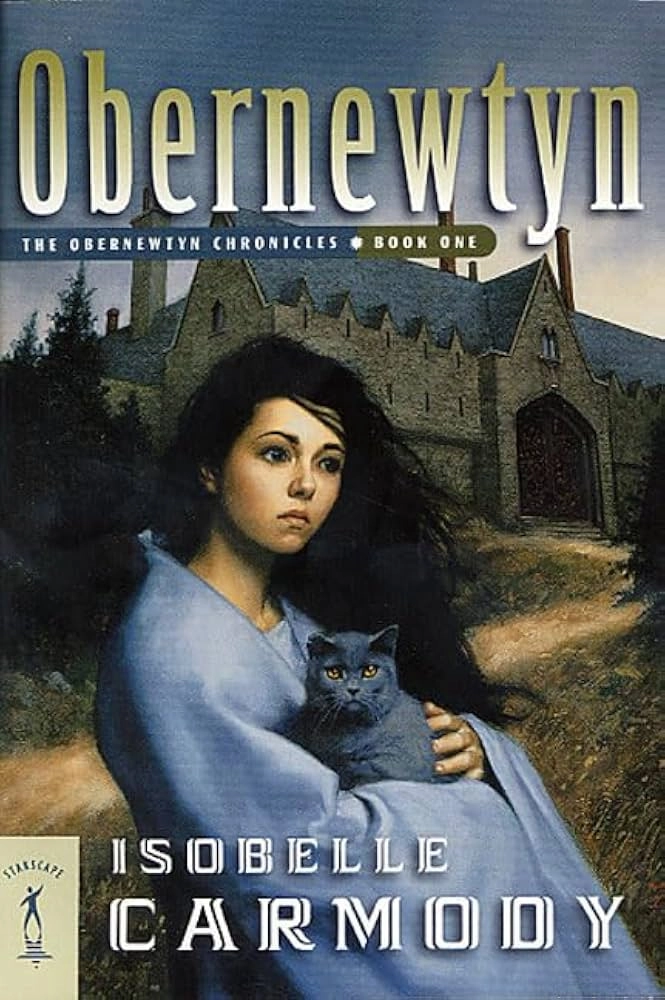
Obernewtyn
Isobelle Carmody
Elspeth Gordie hides dangerous mental abilities in a post-apocalyptic society and is sent to the remote mountain institution of Obernewtyn, where gifted Misfits are being subjected to something considerably more sinister than education.
Might jog your memory: Telepathy · Misfits · locked doors · mountains · the Council
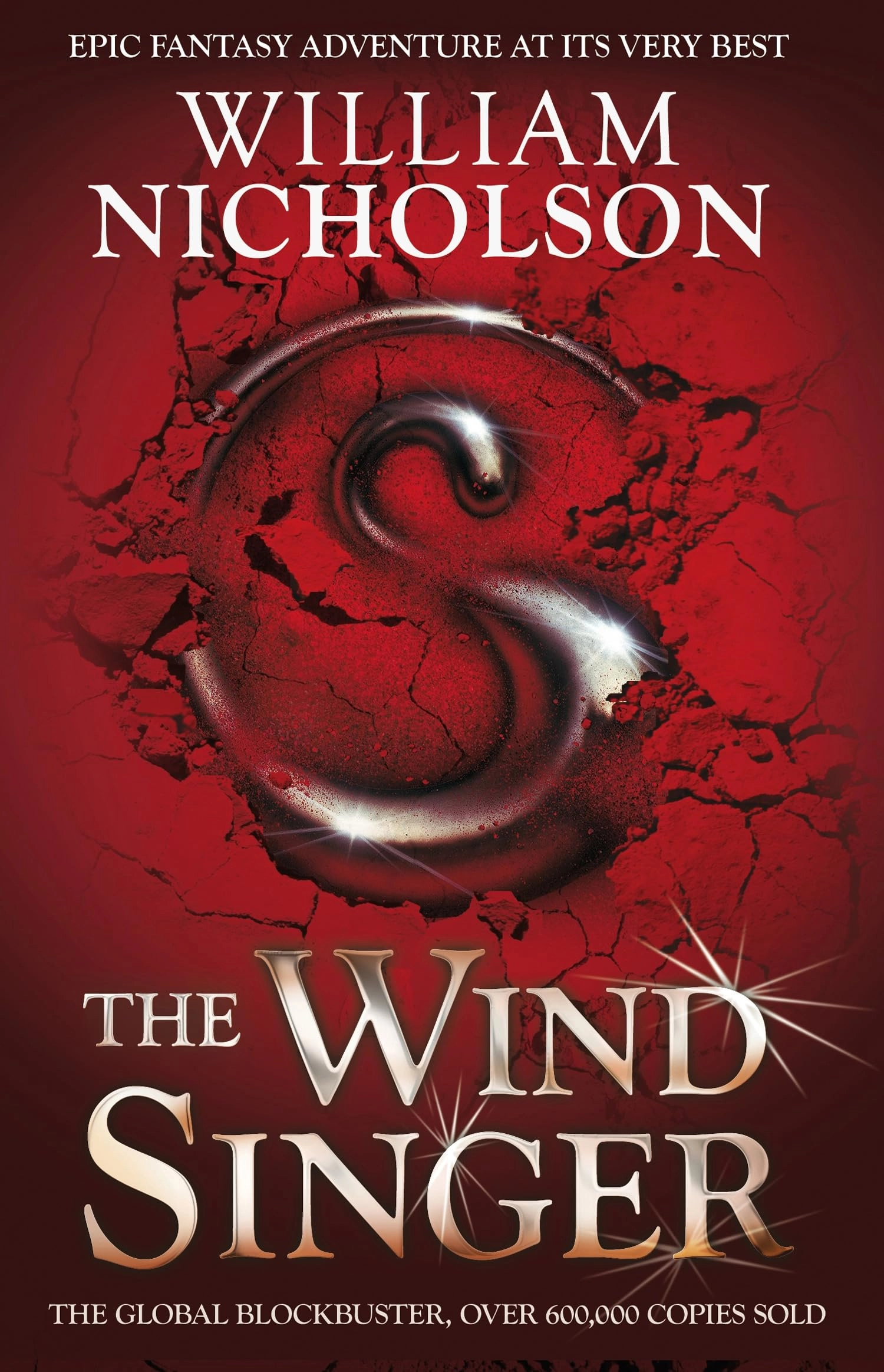
The Wind Singer
William Nicholson
Twins Kestrel and Bowman Hath rebel against the rigid society of Aramanth and become caught up in the struggle surrounding the mysterious Wind Singer and the Morah, the dark force behind the city’s obedience and fear.
Might jog your memory: Kestrel and Bowman · twins · the Wind Singer · wolves · the Morah · Aramanth
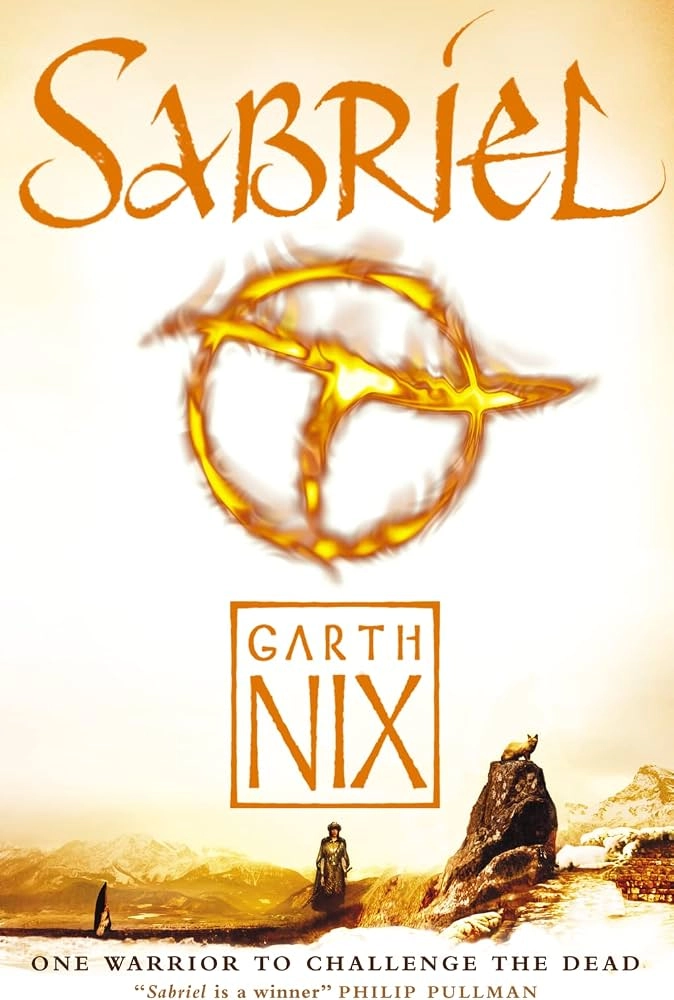
Sabriel
Garth Nix
Sabriel leaves school in Ancelstierre and crosses into the Old Kingdom after her father, the Abhorsen, goes missing. There she has to deal with the Dead, Free Magic and a world where crossing into Death is part of the job.
Might jog your memory: necromancy · bells · the Dead · Charter Magic · Mogget · the Wall
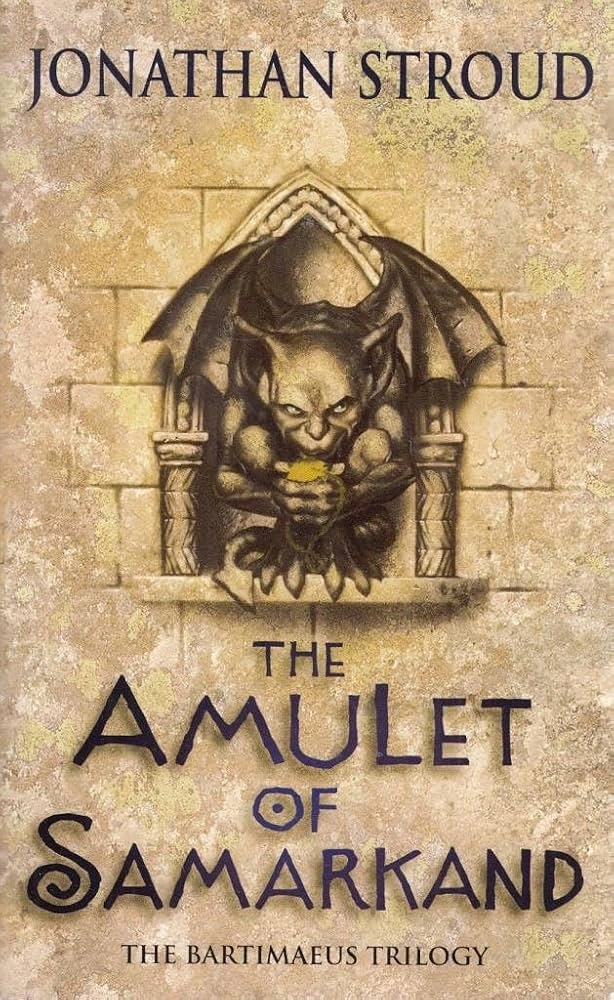
The Amulet of Samarkand
Jonathan Stroud
Young magician Nathaniel secretly summons the ancient djinni Bartimaeus and orders him to steal the Amulet of Samarkand from Simon Lovelace. The job drags them into an alternate London run by magicians, political intrigue and considerably more danger than Nathaniel intended.
Might jog your memory: Bartimaeus · Nathaniel · djinn · footnotes · magicians ruling London · the Amulet
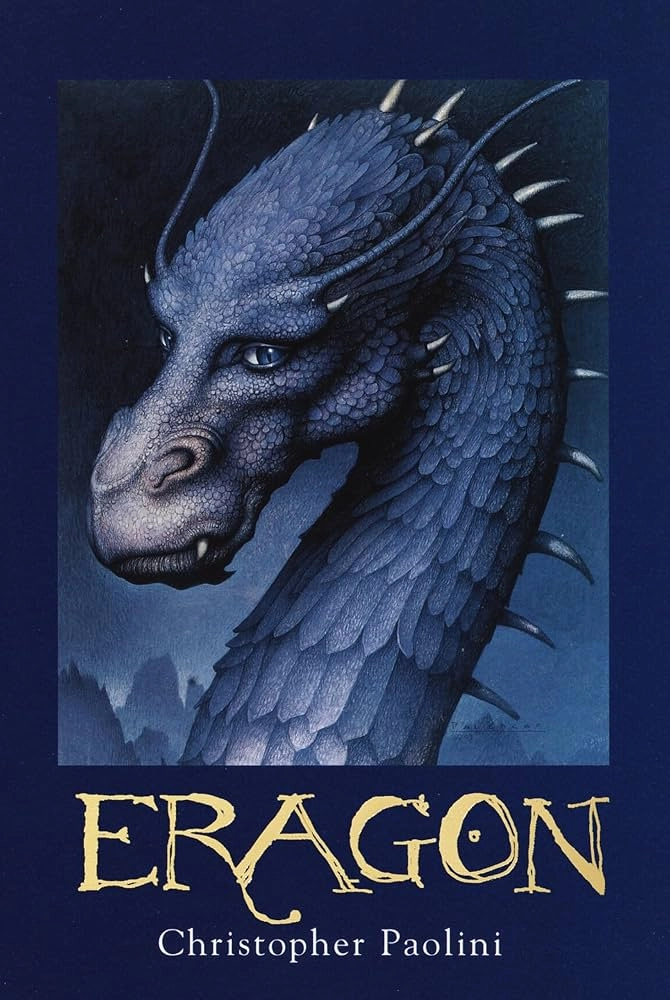
Eragon
Christopher Paolini
Farm boy Eragon finds what looks like a polished blue stone, only for it to hatch into the dragon Saphira. He is pulled into the legacy of the Dragon Riders and a rebellion against King Galbatorix, with magic, swordsmanship and an entire empire rapidly becoming his problem.
Might jog your memory: Saphira · Dragon Riders · Galbatorix · the Ra’zac · Alagaësia · the blue egg
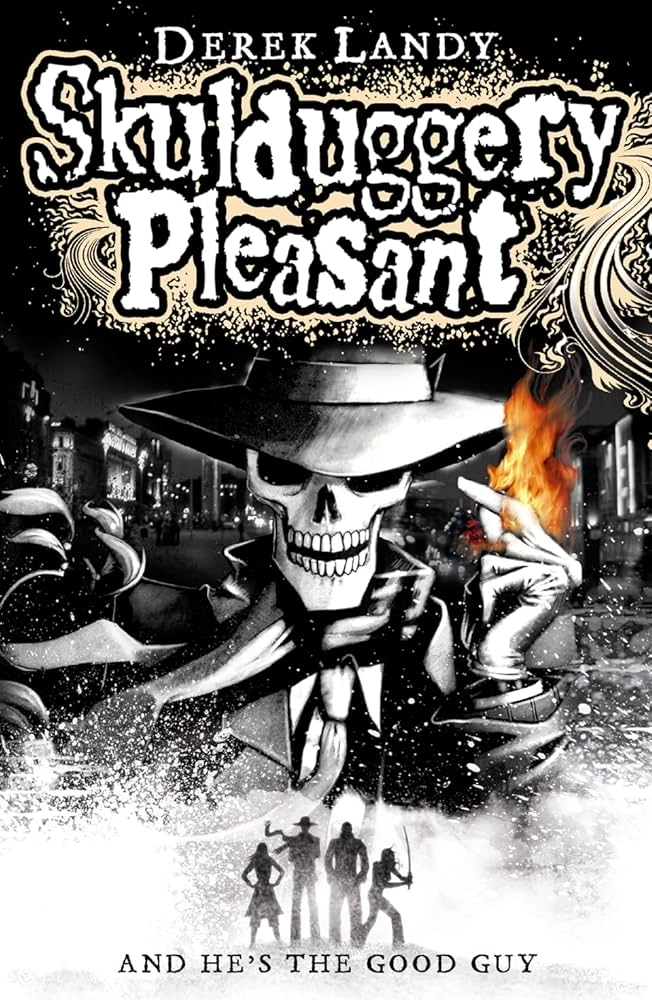
Skulduggery Pleasant
Derek Landy
After her uncle Gordon dies, twelve-year-old Stephanie discovers that his horror stories were rather closer to reality than advertised. She falls in with Skulduggery Pleasant, a wisecracking skeleton detective and sorcerer, and is pulled into a hidden world of magic, monsters and ancient gods.
Might jog your memory: skeleton detective · Stephanie · Gordon’s house · sorcerers · ancient gods · the Sceptre of the Ancients
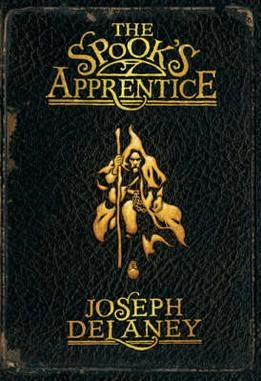
The Spook’s Apprentice
Joseph Delaney
Thomas Ward becomes apprentice to the local Spook, whose job is protecting the County from witches, ghosts, boggarts and other things best not encountered alone after dark. His first serious test involves Mother Malkin, a witch considerably more dangerous than training ought reasonably to allow.
Might jog your memory: Thomas Ward · the Spook · Mother Malkin · witches · boggarts · the County
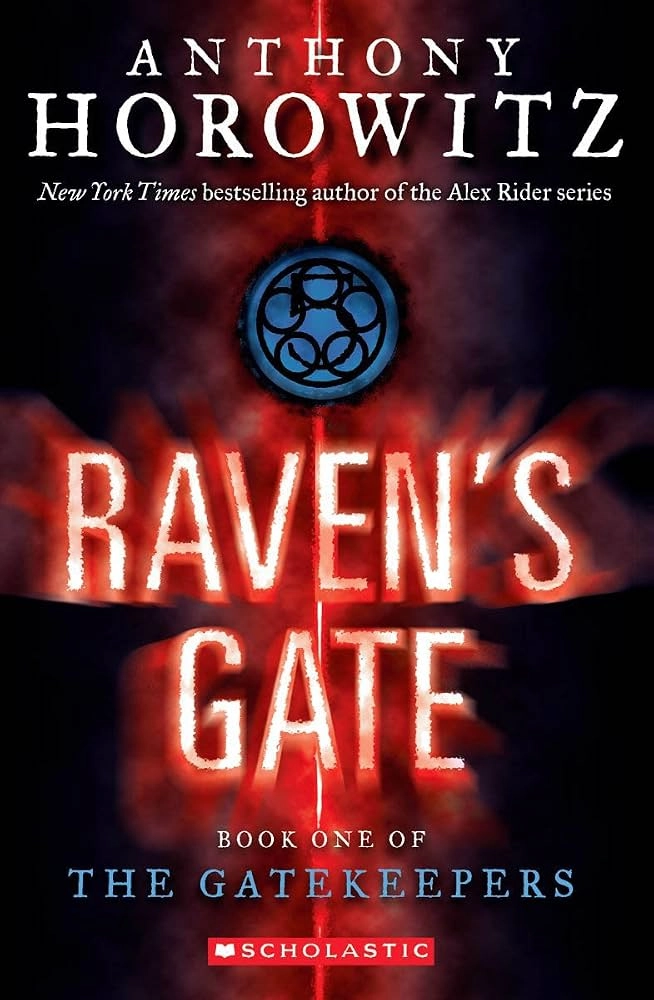
Raven’s Gate
Anthony Horowitz
Matt Freeman is sent to a Yorkshire village on a rehabilitation programme and discovers that something much older and nastier is being prepared there. His unusual powers connect him to five children destined to stand against the Old Ones.
Might jog your memory: Matt Freeman · Yorkshire · Raven’s Gate · the Old Ones · five Gatekeepers · sinister villagers
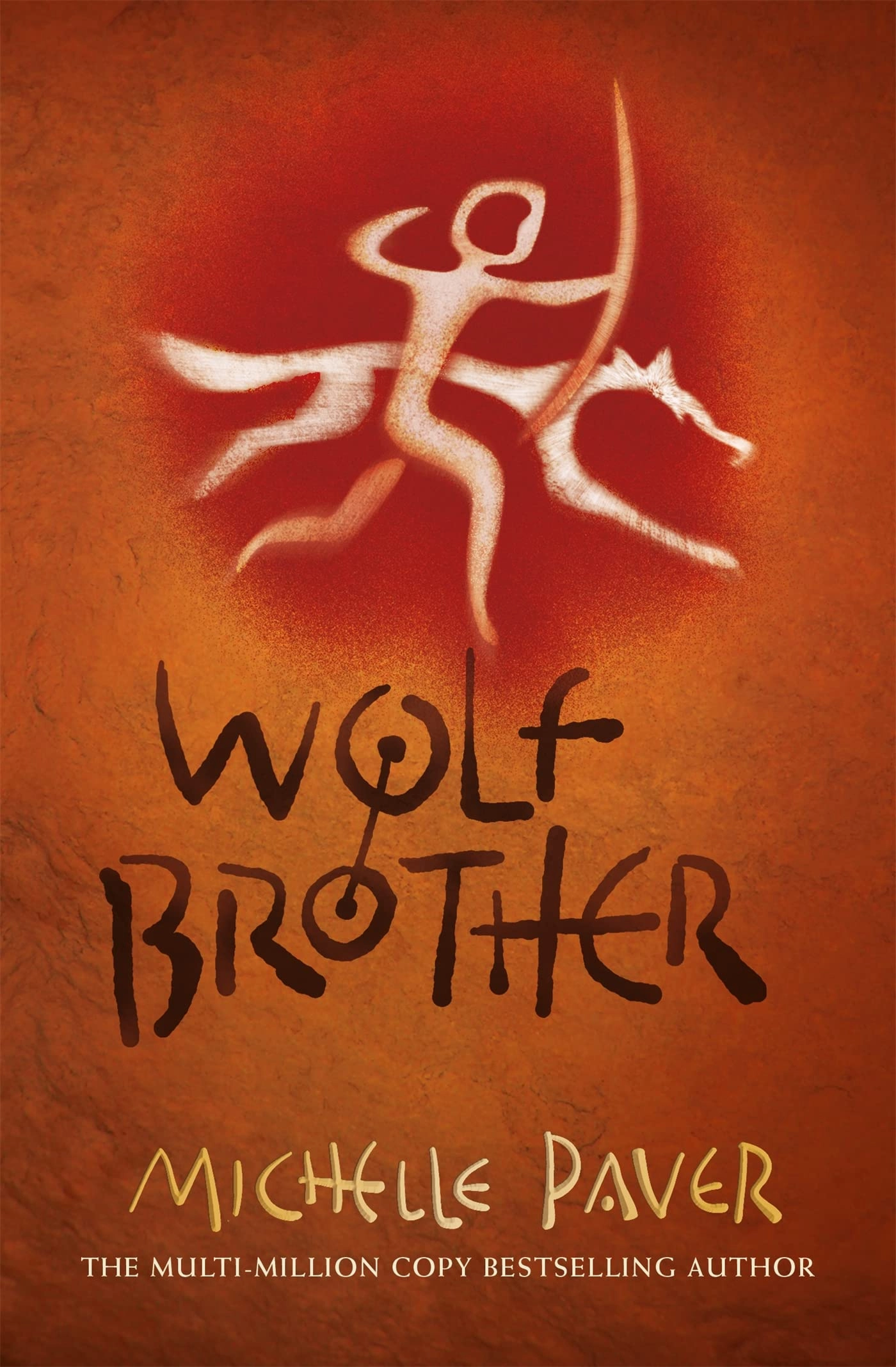
Wolf Brother
Michelle Paver
Twelve-year-old Torak is left alone after his father is killed by a demon-possessed bear. His only companion is a wolf cub he can understand, and together they travel through forests and glaciers in a Stone Age world of clans, spirits and dangerous magic.
Might jog your memory: Torak · Wolf · Renn · clans · demons · the bear · the Forest
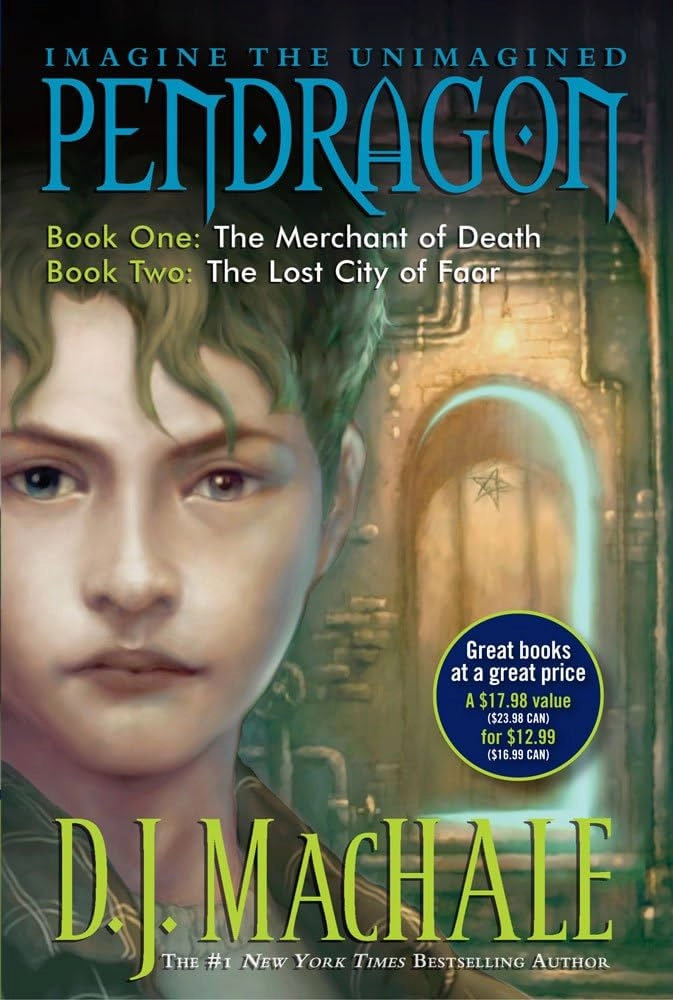
The Merchant of Death
D. J. MacHale
Fourteen-year-old Bobby Pendragon follows his uncle through a mysterious flume and ends up on Denduron, another territory caught in violent rebellion. He discovers that Earth is only one of several worlds and that he has been pulled into a much larger conflict.
Might jog your memory: Bobby Pendragon · flumes · Denduron · Travellers · Saint Dane · multiple worlds
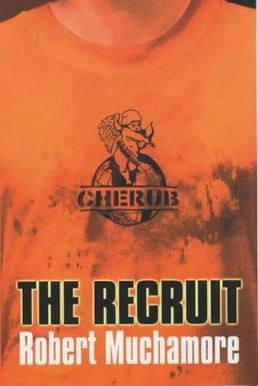
The Recruit
Robert Muchamore
After his life falls apart, James Adams is recruited into CHERUB, a secret organisation that trains children to gather intelligence because adults rarely suspect them. Training is brutal, missions are real, and James rapidly discovers that being underestimated is the whole point.
Might jog your memory: James Adams · CHERUB campus · basic training · child spies · undercover missions · orange T-shirts
Gone
Michael Grant
Everyone aged fifteen and over suddenly disappears from Perdido Beach, leaving the children trapped behind a mysterious barrier. Sam Temple and his friends try to keep things functioning as rival groups form and some of the surviving children begin developing frightening supernatural powers.
Might jog your memory: Sam Temple · the FAYZ · everyone over fifteen vanishes · supernatural powers · Caine · the barrier
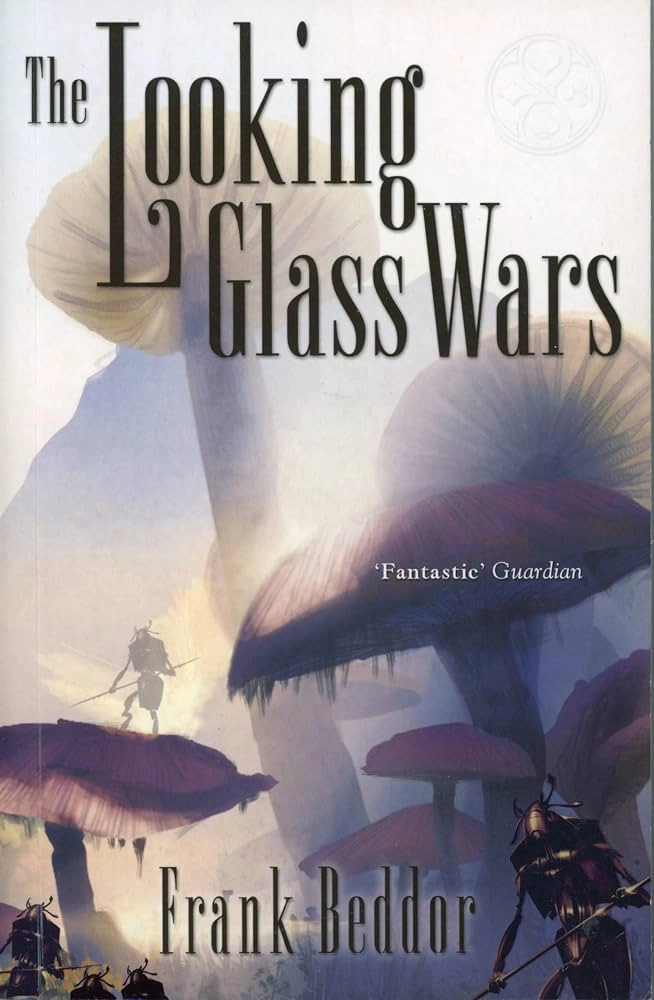
The Looking Glass Wars
Frank Beddor
Alyss Heart is the princess of Wonderland until her aunt Redd seizes the throne and forces her to flee through the Pool of Tears into Victorian London. The familiar Alice story is recast as a war over Wonderland, imagination and Alyss’s right to return.
Might jog your memory: Alyss Heart · Redd · Hatter Madigan · the Pool of Tears · Victorian London · imagination as power
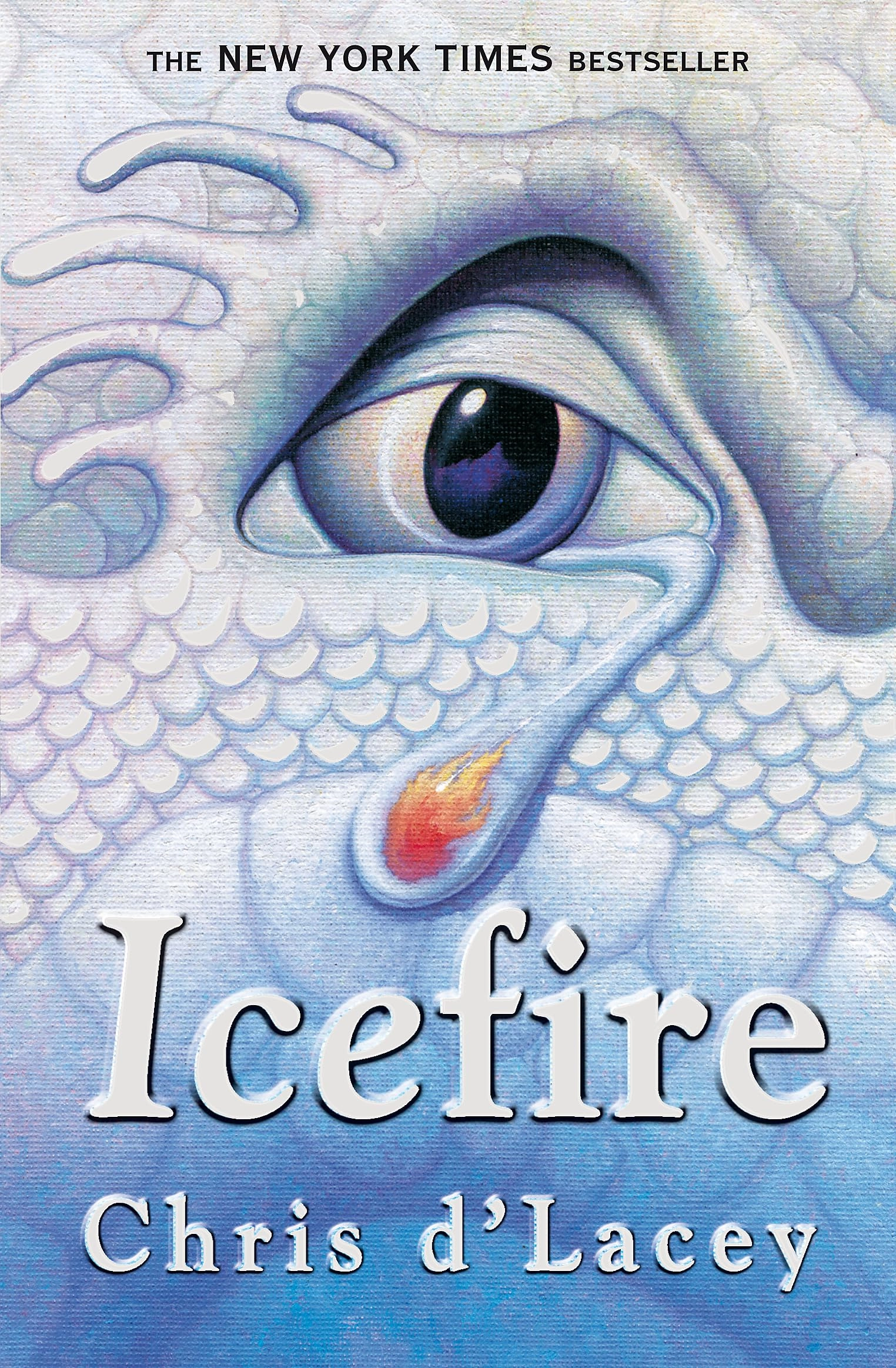
Icefire
Chris d’Lacey
David Rain becomes increasingly entangled in the strange world surrounding the Pennykettles and their clay dragons while researching whether dragons ever really existed. An Arctic expedition, ancient dragon mythology and the mysterious icefire push the story far beyond its apparently ordinary beginnings.
Might jog your memory: clay dragons · the Pennykettles · David Rain · the Arctic · Gawain · icefire
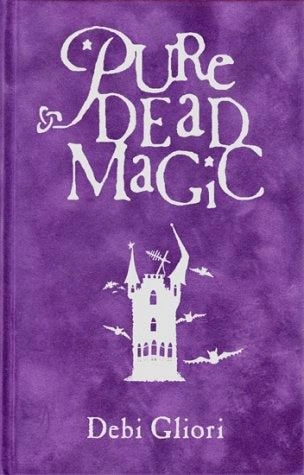
Pure Dead Magic
Debi Gliori
At StregaSchloss, the Strega-Borgia family are dealing with failed witchcraft, a missing father, an alarming new nanny, mythical beasts in the basement and a baby who has been accidentally shrunk and sent into the internet. It is gothic family chaos with computers, magic and gangsters.
Might jog your memory: StregaSchloss · Titus and Pandora · Baby Damp · Mrs McLachlan · mythical beasts · gangster in a rabbit suit
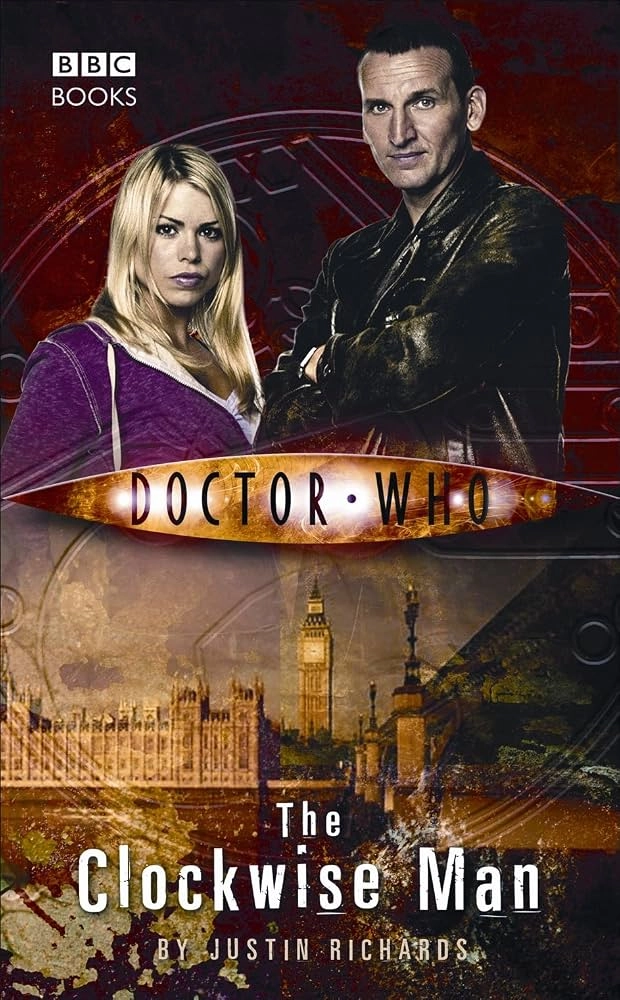
Doctor Who: The Clockwise Man
Justin Richards
The Ninth Doctor and Rose arrive in 1920s London and become caught up in a murder mystery involving faceless killers, political intrigue and a woman known as the Painted Lady. It was the first novel in the BBC’s New Series Adventures range.
Might jog your memory: Ninth Doctor · Rose Tyler · 1920s London · faceless killers · the Painted Lady · BBC tie-in novels

Out of the Madhouse
Christopher Golden & Nancy Holder
The Gatekeeper, who protects the barrier between this world and the Otherworld, is dying. As supernatural creatures begin breaking through, Buffy and the others are drawn into a wider crisis involving the Gatekeeper’s missing young heir and the weakening walls of reality.
Might jog your memory: the Gatekeeper · the Otherworld · ghost roads · Buffy and Angel · a missing heir · reality breaking open
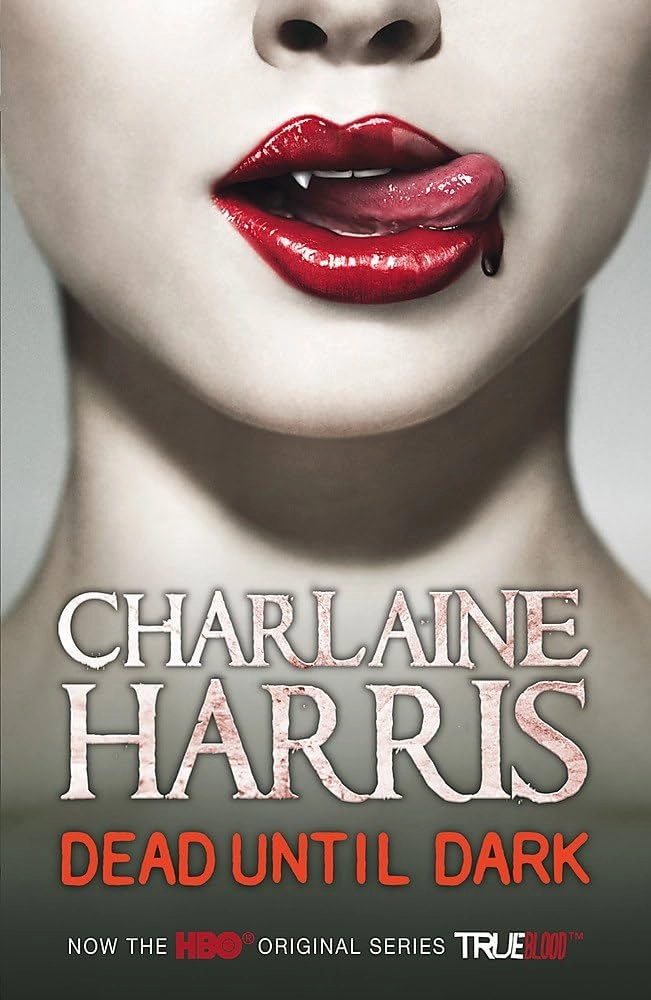
Dead Until Dark
Charlaine Harris
Sookie Stackhouse is a telepathic waitress in small-town Louisiana who meets Bill Compton, a vampire whose thoughts she cannot hear. Their relationship pulls her into a world where vampires are public knowledge and a string of murders is making Bon Temps considerably less sleepy.
Might jog your memory: Sookie Stackhouse · telepathy · Bill Compton · Bon Temps · vampires living openly · murder mystery
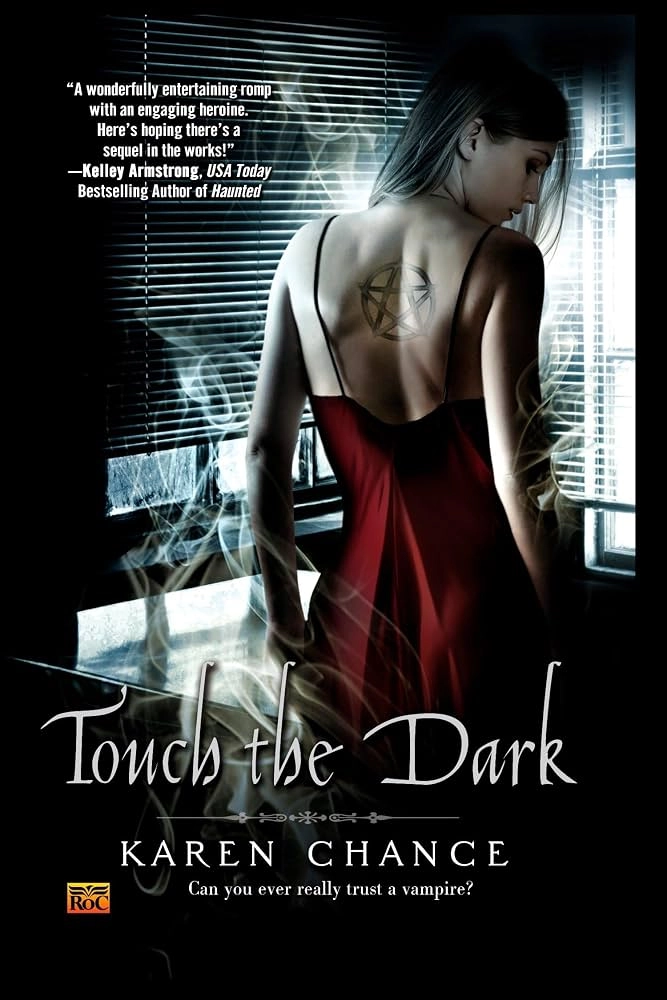
Touch the Dark
Karen Chance
Cassandra Palmer can see the future and communicate with ghosts, talents that make her useful to both the living and the undead. When the vampire mobster she escaped years earlier comes after her again, Cassie is forced towards the Vampire Senate for protection.
Might jog your memory: Cassie Palmer · clairvoyance · ghosts · vampires · the Vampire Senate · Mircea
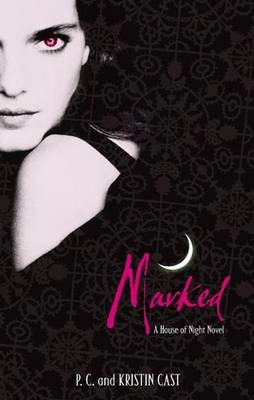
Marked
P. C. Cast & Kristin Cast
Sixteen-year-old Zoey Redbird is Marked as a fledgling vampyre and sent to the House of Night, where she must survive the Change while discovering that the goddess Nyx has singled her out for unusual powers. School politics rapidly acquire considerably higher stakes.
Might jog your memory: Zoey Redbird · Nyx · the House of Night · the Change · Dark Daughters · vampyre school
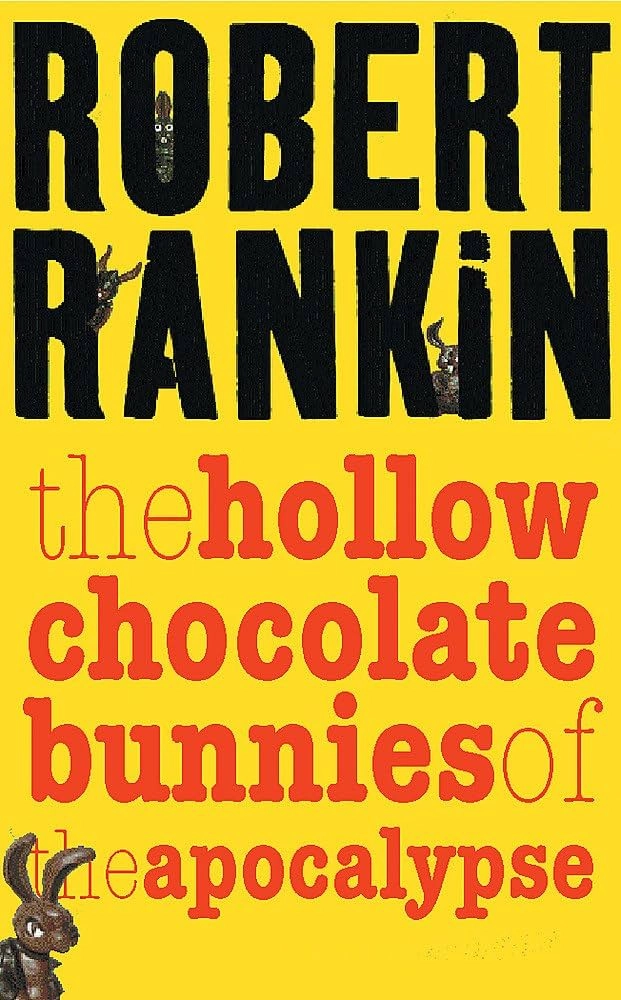
The Hollow Chocolate Bunnies of the Apocalypse
Robert Rankin
Jack arrives in Toy City, where wealthy nursery-rhyme characters are being murdered one by one. He teams up with Eddie Bear, a battered teddy and private detective’s sidekick, to investigate a serial killer leaving hollow chocolate bunnies behind.
Might jog your memory: Toy City · Eddie Bear · murdered nursery-rhyme characters · Bill Winkie · serial killer · hollow chocolate bunnies
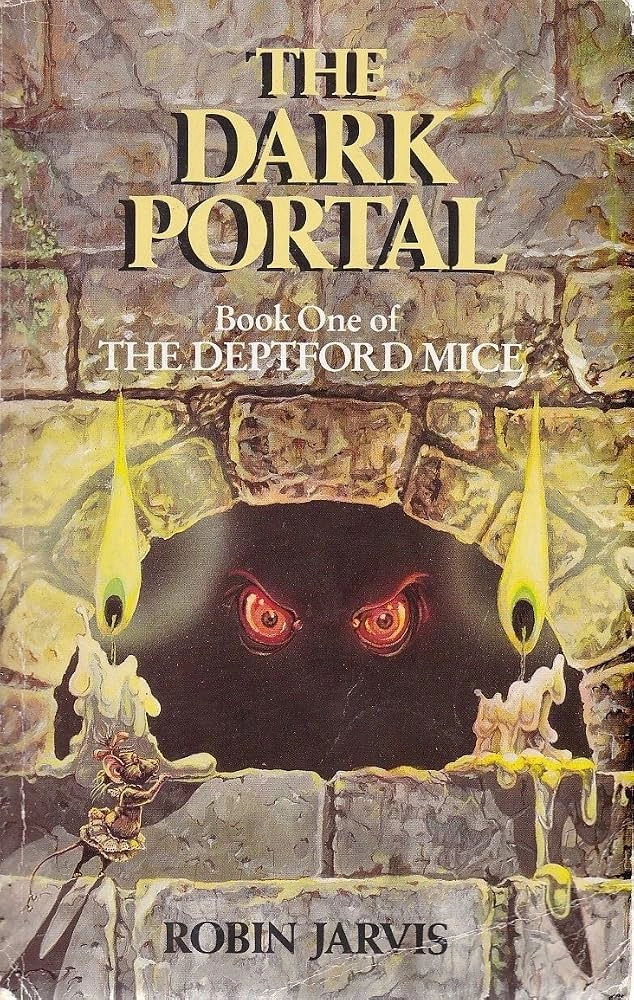
The Dark Portal
Robin Jarvis
The Deptford mice live in the skirting boards of an abandoned London house, while beneath them a society of rats worships a sinister presence in the sewers. When Albert Brown ventures below, his family and friends are pulled into a struggle involving foul magic and the mysterious Jupiter.
Might jog your memory: mice in the skirting boards · sewer rats · Jupiter · the Grille · mousebrasses · dark magic
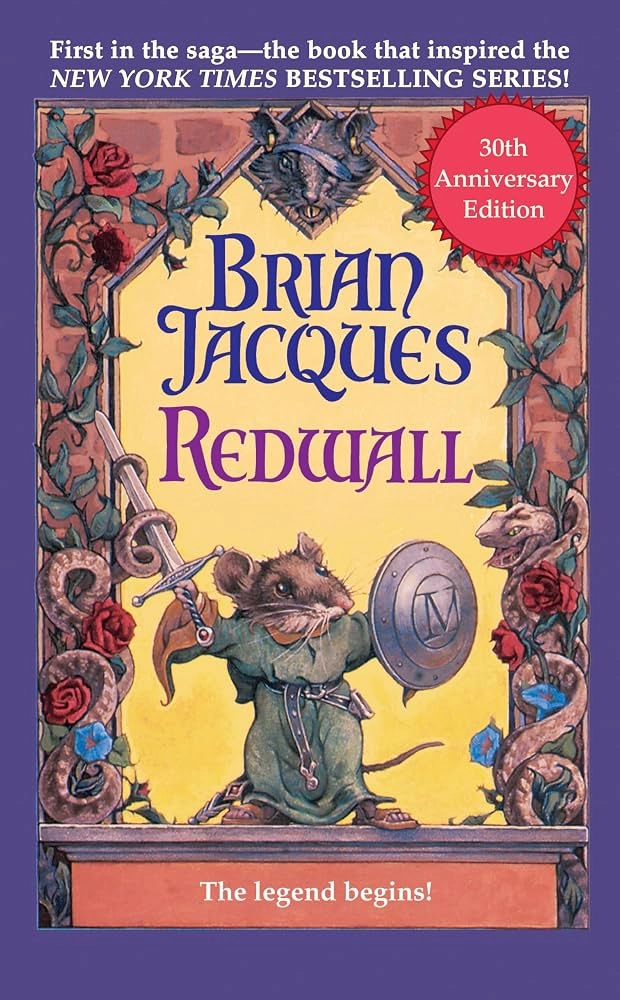
Redwall
Brian Jacques
Redwall Abbey is home to a peaceful community of mice until the one-eyed rat warlord Cluny the Scourge arrives with an army determined to take it. Young Matthias becomes central to the abbey’s defence and the search for the lost sword of Martin the Warrior.
(The talking-animal series I genuinely couldn’t get into.)
Might jog your memory: Redwall Abbey · Matthias · Cluny the Scourge · Martin the Warrior · woodland creatures · the lost sword
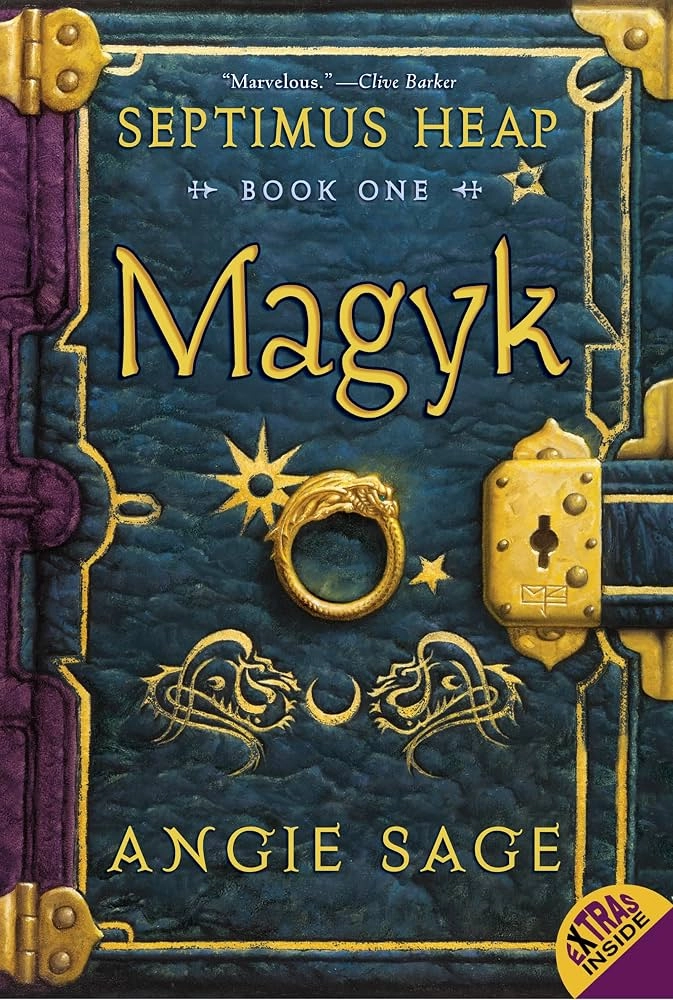
Magyk
Angie Sage
The Heap family are thrown into chaos by a baby found in the snow, a murdered queen, a powerful necromancer and a boy whose identity matters far more than anyone initially realises. It begins the Septimus Heap series and the strange magical world of the Castle.
(I remember these everywhere. I still can’t tell you whether I read one.)
Might jog your memory: Septimus Heap · Jenna · Marcia Overstrand · DomDaniel · the Castle · Magyk
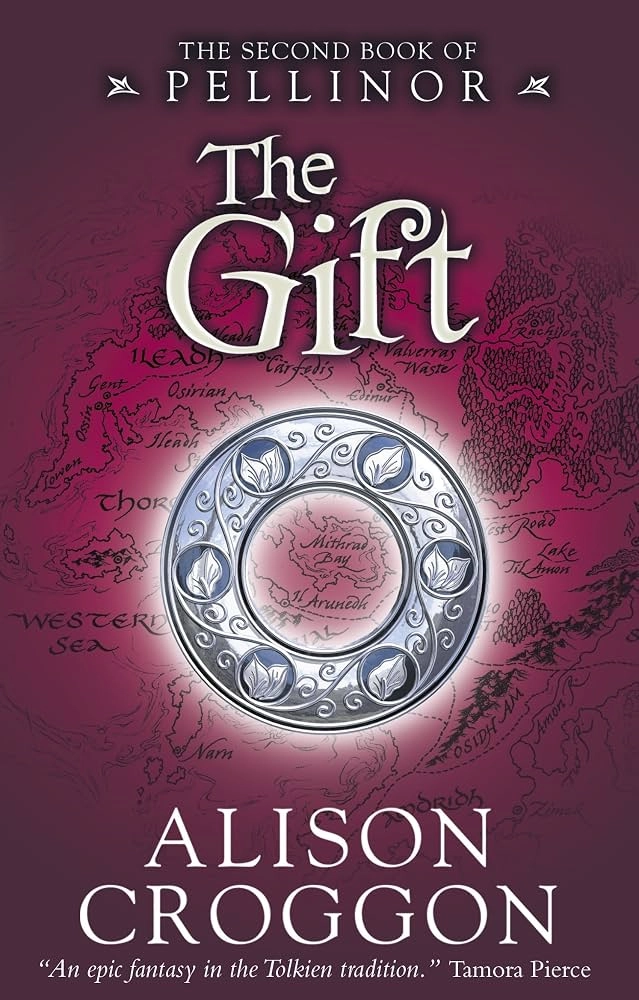
The Gift
Alison Croggon
Maerad has lived as a slave since her family and home were destroyed, unaware that she possesses the magical Gift of the Bards. When Cadvan discovers her, she escapes with him and begins to uncover her heritage, her powers and the much larger conflict gathering around Pellinor.
Might jog your memory: Maerad · Hem · Cadvan · Bards · Lady Ardina · Elidhu · the Gift
Keep reading
What Your Wardrobe Wants You to Read Next
Let your wardrobe choose your next book, from dark academia and gothic fiction to romantic fantasy and stranger corners of the shelf.
A Bestiary for People Bored of Dragons
Five lesser-known creatures from folklore, plus one supposedly ancient Shetland wolf-man who turns out to be rather more recent than advertised.
Leave a Reply