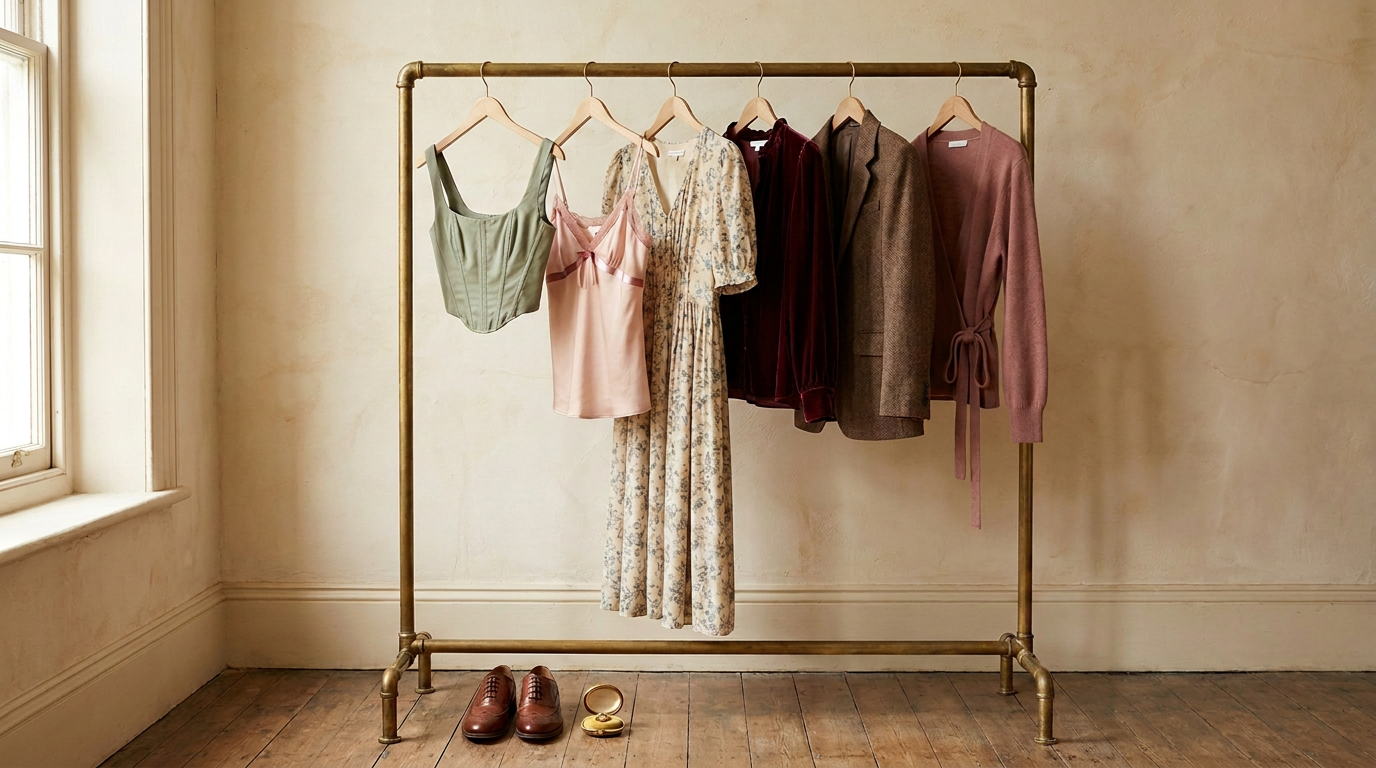
I know what a velvet skirt is. I know what a puff sleeve is. I can identify a pair of brogues. My confidence drops when the same clothes are bundled under names such as fairycore, whimsigoth or coquette and everybody else appears to have received the glossary in advance.
The useful thing is that the names are often newer than the wardrobes they describe. Cottagecore repackages much older pastoral and prairie references. Balletcore puts a current label on a fashion relationship with dancewear that goes back decades. Whimsigoth is stranger still: the Consumer Aesthetics Research Institute, or CARI, credits Evan Collins with naming an aesthetic associated with the late 1980s and 1990s long after that visual language already existed.
So this is not a dictionary of rules. It is a translation guide.
Learn the aesthetic name to navigate. Learn the garment names to shop.
I have grouped these aesthetics by family resemblance because it makes the differences clearer. This is my filing system, not an official taxonomy; the internet has not appointed a registrar of cardigans.
Pastoral and woodland: cottagecore, fairycore and goblincore
These three borrow from nature, but want different versions of it. Cottagecore tidies the countryside into domestic pastoral life. Fairycore pushes nature towards enchantment. Goblincore is happier with mud, fungi, odd objects and the bits of the woodland that do not improve themselves for the photograph.
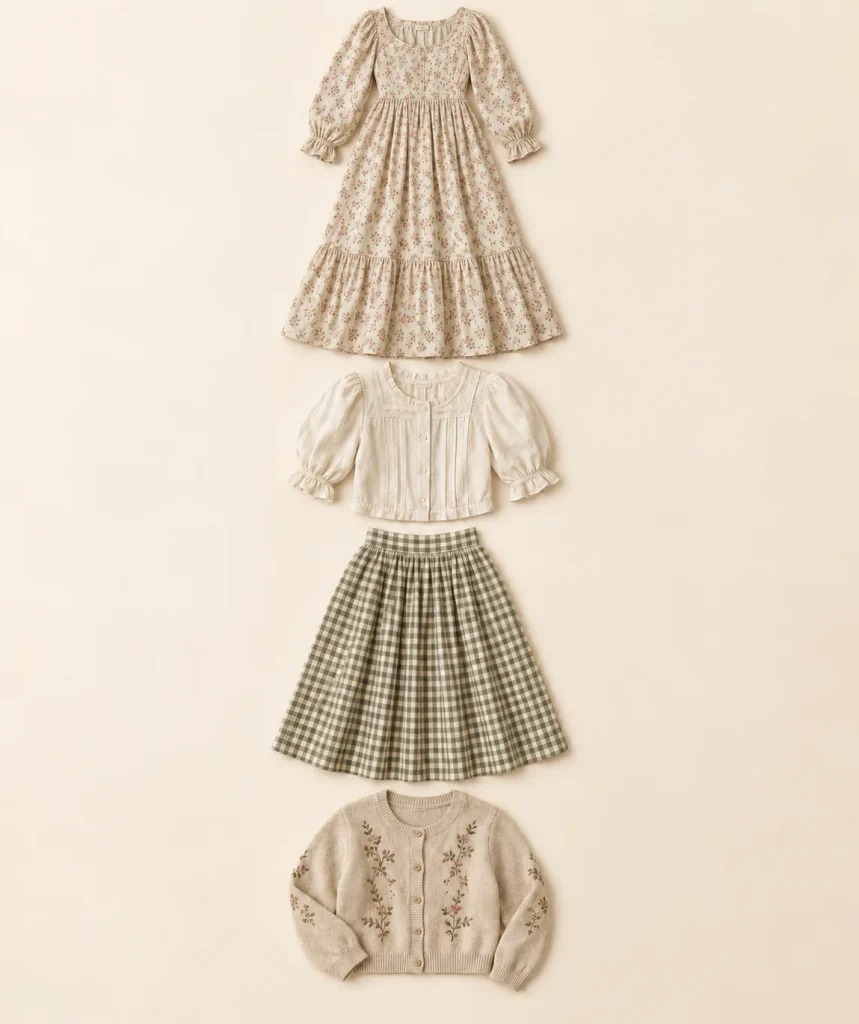
Cottagecore
The vibe: Cottagecore romanticises rural domestic life: gardens, baking, handcrafts, old cottages and clothing that suggests an idealised countryside rather than actual farm work. British Vogue and Teen Vogue described puff sleeves, gingham and prairie dressing as central to the look in 2020. Teen Vogue also traced the clothing lineage through 1960s and 1970s prairie-revival labels such as Laura Ashley and Gunne Sax. A prairie dress here means the long, full, often ruffled or gathered sort of dress associated with that revival, rather than something invented by TikTok.
Search second-hand for: prairie dress; puff-sleeve cotton blouse; gingham midi skirt; embroidered cardigan.
Closest neighbour: Fairycore. My crude version is cottagecore + magic → fairycore. Keep the softness and nature references, then move away from domestic rural life towards something more ethereal.
Fairycore
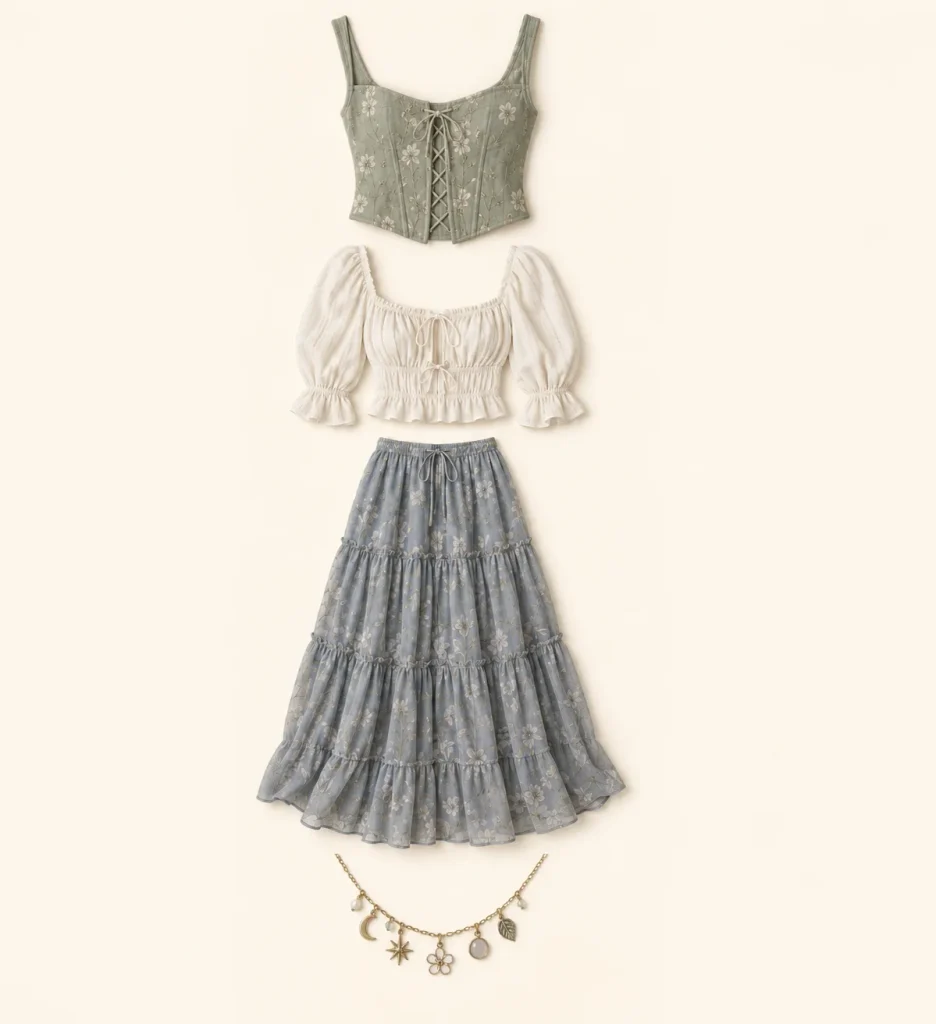
The vibe: Fairycore keeps the natural world but treats it as enchanted rather than domestic. NYLON’s 2021 explainer describes corsets, milkmaid-style clothing, distressed pieces, charms, sparkle and fantastical nature imagery. In clothes, that usually means lighter layering, romantic shapes and deliberately otherworldly detail without requiring literal wings.
Search second-hand for: corset top; milkmaid blouse; tiered maxi skirt; charm necklace.
Closest neighbour: Cottagecore. The difference is realism versus enchantment. A floral blouse can live in either; the surrounding shapes and details decide which story it is telling.
Goblincore
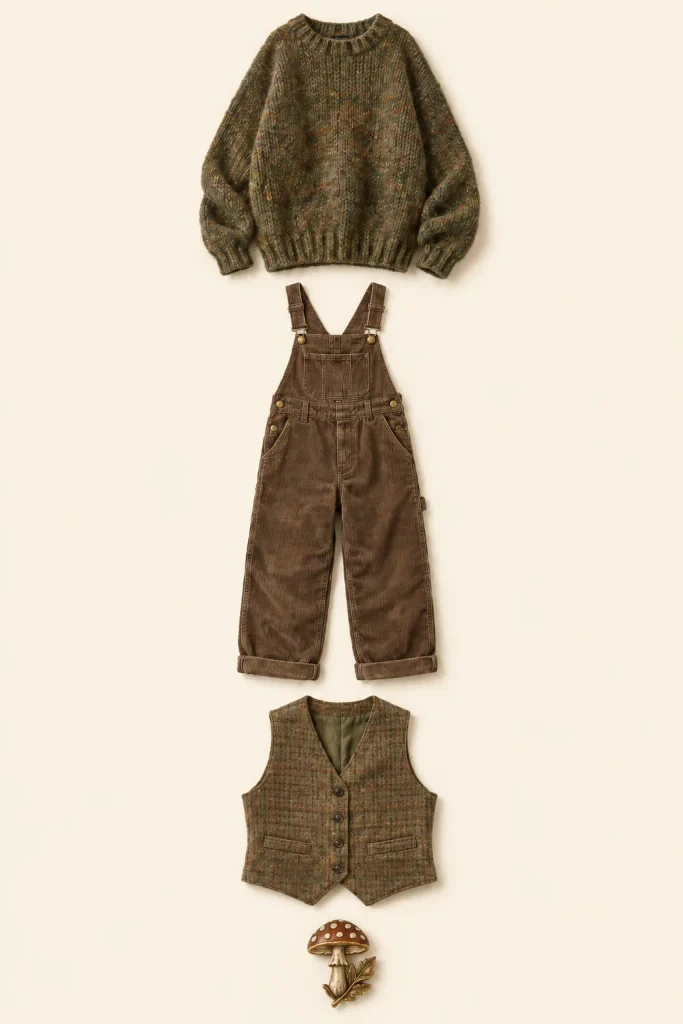
The vibe: Goblincore likes nature without cleaning it first. NYLON described the aesthetic in 2020 through mud, snails, fungi, earthy colours, comfortable layers, trinkets and deliberately unfussy clothing. One participant described oversized knitted jumpers, dungarees and vintage waistcoats, which is much more useful to a second-hand shopper than searching for “goblin clothes”.
Search second-hand for: oversized knitted jumper; dungarees; vintage waistcoat; mushroom brooch.
Closest neighbour: Fairycore. Keep the woodland and lose the ethereal polish. The fairy has been replaced by somebody who is perfectly happy to turn over a damp log and see what is underneath.
Decorative femininity: coquette and balletcore
Coquette and balletcore overlap through ribbons, softness and delicate shoes. Their centres are different. Coquette builds around conspicuous romantic femininity and ornament; balletcore borrows from the clothing of ballet practice and the dancer off duty. One can imitate the other at the edges without becoming the same thing.
Coquette
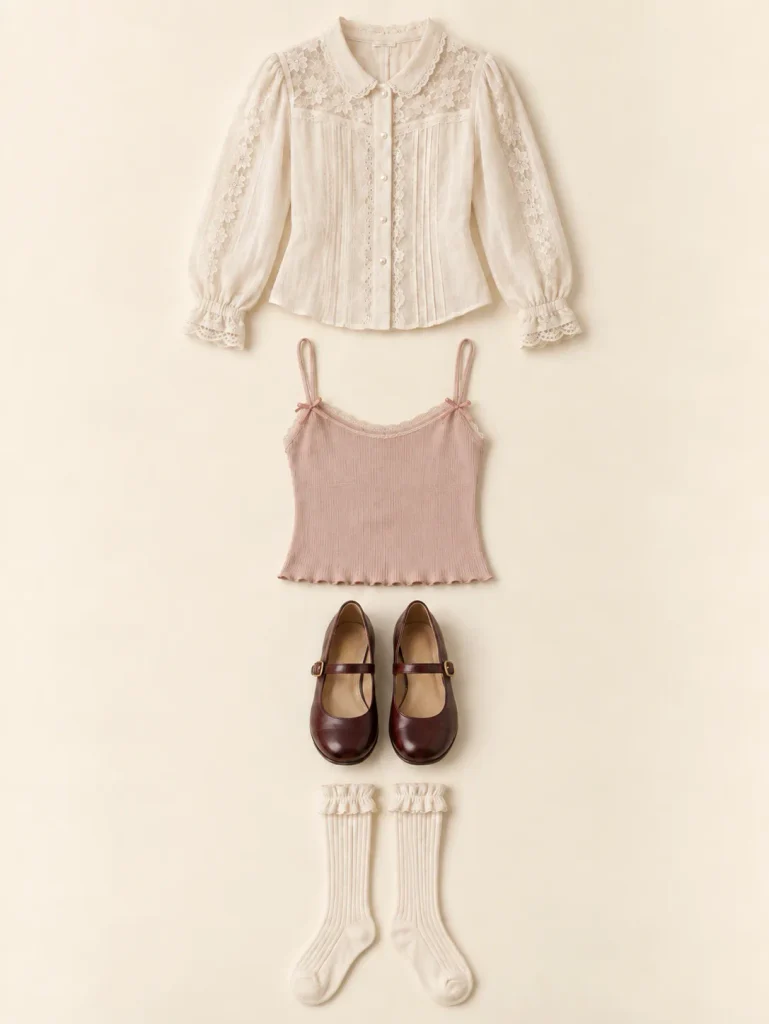
The vibe: Modern coquette is deliberately pretty, flirtatious and decorated. NYLON was documenting it as a rising TikTok fashion category in early 2022, with lace blouses, miniskirts, Mary Janes, frilled socks, pearls, hearts and bows; Vogue later described the same appetite for hyper-feminine florals, lace and ribbons. The word itself is much older: Merriam-Webster records coquette in English centuries before anybody had a moodboard.
Search second-hand for: lace blouse; ribbon-trim camisole; Mary Jane shoes; frilled knee socks.
Mary Janes are shoes defined by a strap across the instep, traditionally fastened with a buckle or button.
Closest neighbour: Balletcore. Keep the ribbons and delicacy, but swap general romantic ornament for clothes that point more specifically towards dance and rehearsal.
Balletcore
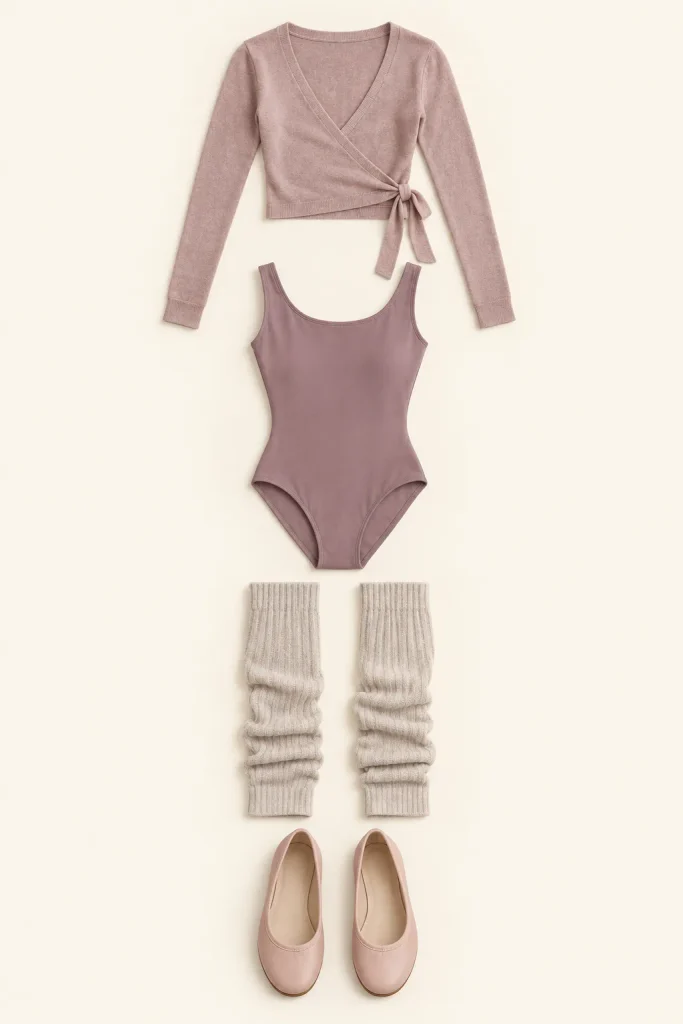
The vibe: Balletcore is the clearest case here of a new label sitting on an old fashion relationship. British Vogue quoted Museum at FIT curator Patricia Mears explaining that ballet practice clothes such as leotards and tights were influencing fashion in the 1930s and 1940s, with another strong period of ballet-inspired fashion in the 1970s. The current label gathers that vocabulary around wrap layers, leg warmers and flats.
Search second-hand for: wrap cardigan; leotard; leg warmers; ballet flats.
Closest neighbour: Coquette. If the outfit would still read the same after removing most of the bows and replacing them with rehearsal layers, you have probably moved towards balletcore.
Dark, historical and fantastical: whimsigoth, dark academia and castlecore
These three share old-world references and darker clothes, but pull history in different directions. Whimsigoth is celestial and bohemian, dark academia is collegiate and literary, and castlecore reaches towards medieval and Gothic fantasy. The overlap is real; the source material is not interchangeable.
Whimsigoth
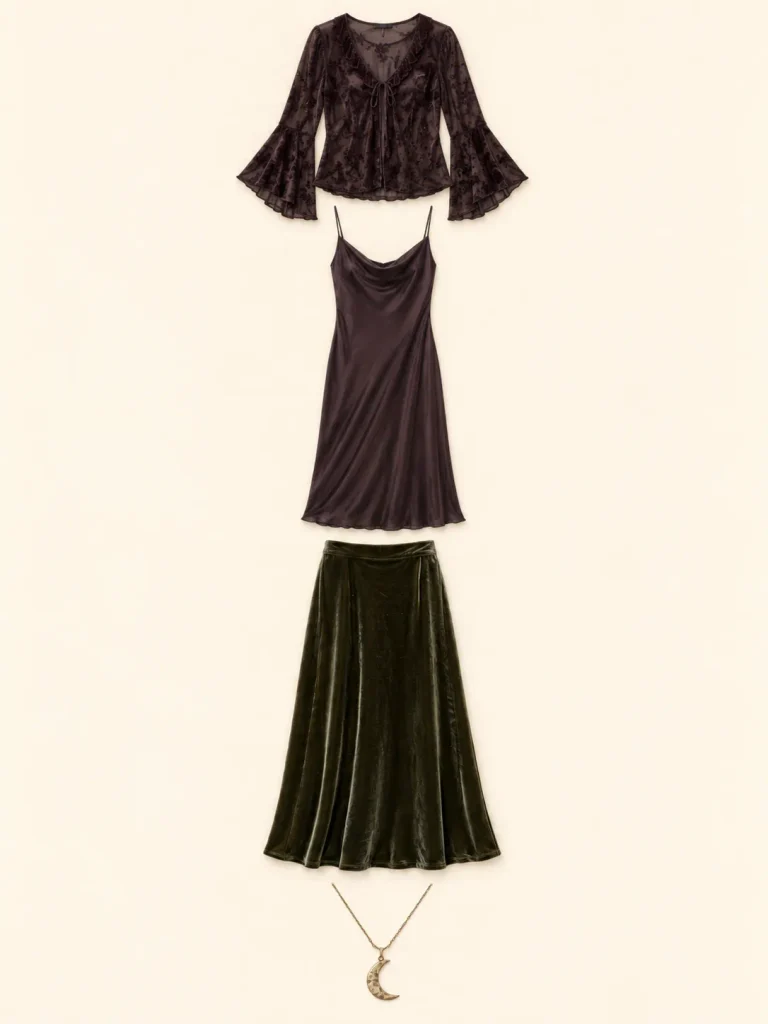
The vibe: First, the spelling: whimsigoth, not whimsygoth. CARI calls the broader aesthetic Whimsigothic, says it was originally labelled “Whimsical Mystical Gothic Celestial”, dates its period of relevance to the late 1980s and late 1990s, and credits Evan Collins with coining the later name. Glamour’s 2022 fashion explainer describes the term moving from interiors and design into a fashion vocabulary built from velvet, lace, long hems, slip dresses, celestial jewellery and bell sleeves.
That makes whimsigoth useful here. The clothes and visual references did not wait for the internet to name them. The label gave an older mixture of 1970s bohemia, 1980s goth and 1990s witchiness a searchable handle.
Search second-hand for: velvet maxi skirt; bell-sleeve blouse; slip dress; celestial pendant.
Closest neighbour: Dark academia. Keep the dark palette and vintage texture, then exchange collegiate structure for fluid layers, celestial motifs and bohemian movement.
Dark academia
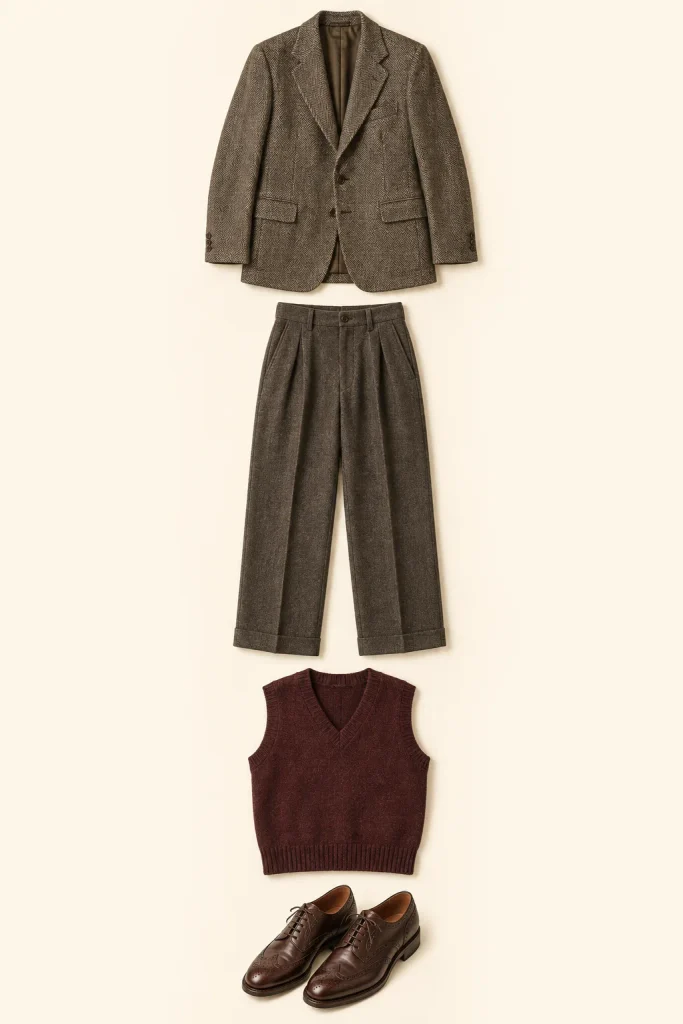
The vibe: Dark academia turns bookishness into an online visual culture of old libraries, traditional tailoring, collegiate references and dark textured clothing. Literary scholar Simone Murray, writing on dark academia’s digital afterlife, describes it as an online subculture built around performances of bookishness and identifies Donna Tartt’s The Secret History as its defining text.
Search second-hand for: herringbone blazer; pleated wool trousers; sweater vest; brogues.
Closest neighbour: Whimsigoth. Swap fluid celestial bohemia for tailoring, knitwear and collegiate structure. For complete outfits rather than a definition, see my guide to dark academia outfits for real life.
Castlecore
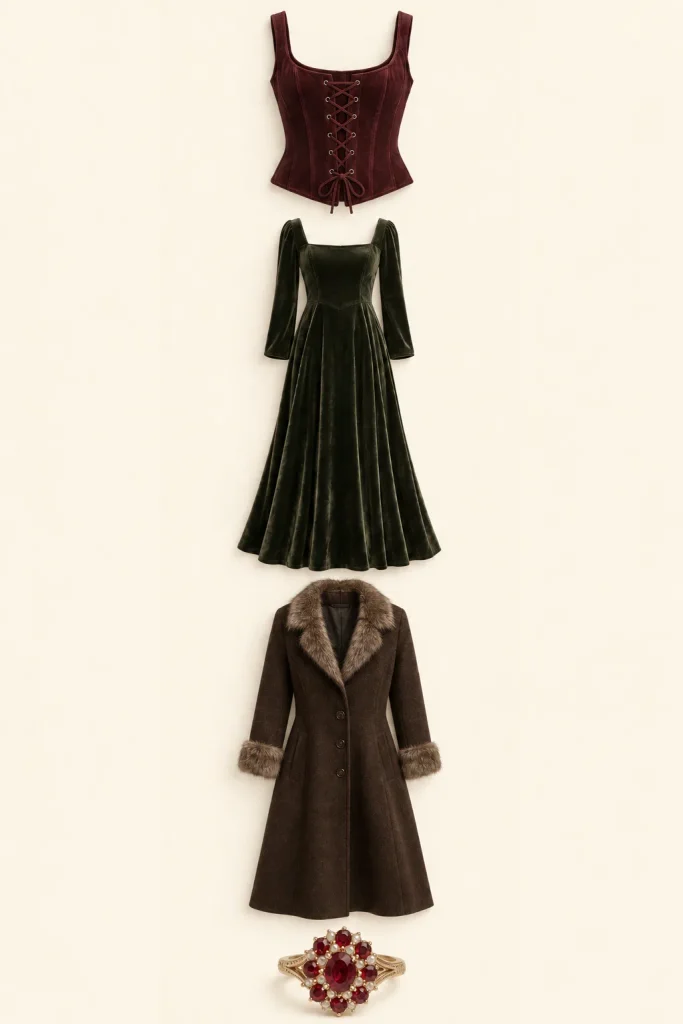
The vibe: Castlecore is much newer as a circulating fashion label. Pinterest included it in its 2025 trend report, citing searches including “blue medieval dress” and “ruby cluster ring”; Vogue Business independently described medieval escapism or castlecore in 2025 through Gothic influence, chainmail, dramatic lace and fur. That proves circulation, not origin.
For everyday clothes, I would translate the idea: long shapes, lacing, velvet, substantial outerwear and jewellery that carries the medieval-Gothic reference without requiring a full period silhouette.
Search second-hand for: lace-up corset top; long velvet dress; faux-fur-trim coat; ruby cluster ring.
Closest neighbour: Dark academia. Keep the dark old-world atmosphere, then move the references from university tailoring towards medieval and Gothic dress.
How certain are these histories?
Internet aesthetics are awkward to date. A fashion article can prove circulation by a certain year without proving who invented the label. A Tumblr tag can establish use without establishing origin. And a modern name can be attached retrospectively to clothes and design references that existed years earlier.
That distinction belongs on the page. Strong below means there is solid contemporary, primary or academic evidence for the point. Medium means I can establish a rough chronology but not a clean inventor. Weak means the label is clearly in use, but I cannot responsibly tell you who coined it.
| Aesthetic | Circulation | Naming / origin | What we can responsibly say |
|---|---|---|---|
| Cottagecore | Strong | Medium | Teen Vogue documented the tag being used on Instagram in 2018 and described it as a major fashion subculture in 2020; no reliable single coiner. |
| Fairycore | Strong | Weak | Fashion coverage clearly documents the aesthetic by 2021; I have not found a sound origin story. |
| Goblincore | Strong | Weak | NYLON was treating it as an established internet aesthetic in 2020; who first named it is much murkier. |
| Whimsigoth | Strong | Strong | CARI credits Evan Collins with the name and dates the visual language it describes to the late 1980s–1990s. |
| Coquette | Strong | Weak | The modern fashion label was circulating by 2022; the word itself is centuries older and the internet aesthetic has no clean single inventor. |
| Balletcore | Strong | Weak | The label is recent; fashion borrowing from ballet practice clothing is well documented much earlier. |
| Dark academia | Strong | Medium | Its development as an online subculture is academically documented, but there is no need to force it into a single-inventor story. |
| Castlecore | Strong | Weak | Pinterest and Vogue Business were both using it as a fashion label by 2025; neither establishes who coined it. |
When to search beyond the aesthetic
The labels are useful at first. Search “whimsigoth” or “cottagecore” when you want to see how other people combine things, notice recurring shapes or work out which corner of a style interests you. They are good navigation.
I used to think they became much less useful once you knew the object you wanted. That turned out to depend on the object.
A second-hand seller may have a perfect velvet maxi skirt and never once have heard the word whimsigoth. Somebody listing an old gingham skirt is under no obligation to decide whether it belongs to cottagecore. A herringbone blazer existed quite happily before dark academia acquired an online following and will continue doing so when another suffix has replaced it.
Search for the garment, material, shape, construction or detail when those words carry the character you actually want; keep the aesthetic term when it is doing useful work. I tested that rule properly in How to Find Fantasy-Inspired Clothes Second-Hand, and the marketplaces were much less obedient than this first version suggested.
That is also the principle behind building a storybook wardrobe more generally: translate the reference into clothes that still make sense when nobody recognises the reference.
Leave a Reply